
A villa’s facade is more than its external appearance. It establishes the architectural identity of the building, creates the first impression, and connects the villa with its surrounding environment. Successful villa facade design brings these elements together through balanced proportions, carefully selected materials, and a consistent architectural style.
Whether you prefer a modern villa facade, a classic exterior, or a contemporary design, every decision should serve both appearance and function. In this guide, we explore popular villa facade styles, essential architectural elements, exterior materials, and practical considerations for creating a distinctive villa exterior. Drawing on its residential design experience, SKETCHURE – Your Villa Design Expert brings a considered approach to creating cohesive and functional residential spaces.
Book Your Villa Design Consultation TodayWhat Defines a Well-Designed Villa Facade?
A well-designed facade combines architectural character with visual balance. Its success depends on how the building’s proportions, openings, materials, and details work together.
1. Architectural Identity and Composition
The architectural identity of a villa comes from its overall form, geometric language, and exterior details. Some designs use clean lines and simple volumes, while others feature symmetry, decorative mouldings, or traditional references.
A cohesive composition ensures that windows, doors, balconies, wall finishes, and rooflines follow the same design direction rather than appearing as unrelated elements.
2. Proportion and Visual Balance
The size and placement of architectural elements influence how the facade is perceived. The entrance, windows, projections, and solid wall surfaces should relate naturally to the building’s overall scale.
A successful villa front design does not necessarily require symmetry. Asymmetrical compositions can create a strong contemporary character when their volumes, openings, and materials remain visually balanced.
3. Facade Design vs. Overall Villa Exterior Design
A facade is an external face or elevation of the building, often the front elevation facing the street. Villa exterior design has a wider scope, covering side elevations, boundary walls, entrance gates, driveways, and outdoor structures.
Considering these elements together helps create a consistent exterior rather than an attractive front elevation that feels disconnected from its surroundings.
Popular Villa Facade Design Styles
The architectural style establishes the visual direction of the villa. The right choice depends on personal preferences, building proportions, and the surrounding architecture.
1. Modern Villa Facade Design
A modern villa facade typically features geometric volumes, clean lines, minimal decoration, and a controlled material palette. Its visual character comes from proportions, recessed openings, projections, and contrasts between finishes.
Common features include:
- Simple geometric forms and defined architectural lines.
- Large windows and sliding glass openings.
- Neutral colours such as white, beige, and grey.
- Wood or stone accents for warmth and texture.
- Dark metal frames and minimalist details.
- Pergolas, canopies, and integrated shading elements.
The aim is not to use every feature together, but to create a consistent composition through carefully selected details.
2. Classic and Neoclassical Villa Facade Design
Classic villa exterior design often uses symmetry, columns, decorative mouldings, cornices, and framed windows. These details create a formal architectural character.
Neoclassical design offers a more restrained interpretation, retaining balanced proportions and classical references while simplifying excessive ornamentation. This creates an elegant exterior without making the facade visually heavy.
3. New Classic, Mediterranean, and Contemporary Styles
New classic villa exterior design combines traditional details with simplified forms, neutral finishes, and contemporary proportions.
Mediterranean villa design often features light-coloured finishes, arches, shaded terraces, and natural materials. Contemporary facades can reinterpret these elements through cleaner geometry and modern openings, creating a balance between regional character and current architectural preferences.
Key Elements of Villa Facade Design
A villa facade consists of several connected components. Each should be planned individually while maintaining consistency across the entire elevation.
1. Main Entrance and Front Door Design
The main entrance is often the visual focal point of the facade. Its position, scale, materials, and surrounding details help create a welcoming transition into the villa.
A well-planned villa entrance design may include a statement door, recessed entrance, covered porch, or defined architectural frame. Steps, lighting, and surrounding finishes should complement the entrance without overwhelming it.
A well-designed entrance should connect naturally with the villa’s interior, including architectural features such as staircases. Explore our villa staircase design ideas for modern and luxury interiors.
2. Windows, Glass Openings, and Balconies
Windows influence both the facade’s appearance and the interior experience. Their dimensions, frame finishes, and arrangement establish the visual rhythm of the elevation.
Large glass openings can connect interior spaces with gardens and outdoor areas. However, their placement should also consider privacy, sunlight, glare, and shading. A villa balcony design should follow the same principles, balancing appearance with practical use.
3. Boundary Walls, Fences, and Entrance Gates
The boundary wall forms the transition between the villa and the street. Its height, materials, openings, and relationship with the entrance can strengthen the overall exterior composition.
A coordinated villa boundary wall design may combine wood-look panels, stone finishes, metal screens, and solid wall sections. The aim is to balance privacy and visual openness while complementing the main facade.
The entrance gate and villa fence design should follow the same architectural language, creating continuity between the building and its street-facing exterior.
4. Rooflines, Canopies, and Shading Structures
Rooflines influence the villa’s overall silhouette. Flat roofs, parapets, projecting slabs, and stepped volumes create different architectural expressions.
Pergolas, canopies, horizontal screens, and recessed windows can introduce depth while helping control direct sunlight. Their design should relate to the villa roof design and the proportions of the openings below.
A covered villa porch can also define the transition between the outdoor environment and the main entrance.
Choosing Materials and Finishes for a Villa Facade
Exterior materials influence the architectural character, colour, texture, and maintenance requirements of a villa. They should be selected as a coordinated palette rather than as unrelated finishes.
1. Natural Stone and Textured Finishes
Natural stone adds texture and depth, making it suitable for full facade surfaces or selected accents around entrances and architectural features.
Textured plaster and exterior render provide cleaner, continuous surfaces in different colours and finishes. Both options can work well in modern and Mediterranean designs, depending on the architectural concept and site conditions.
2. Wood Cladding and Metal Details
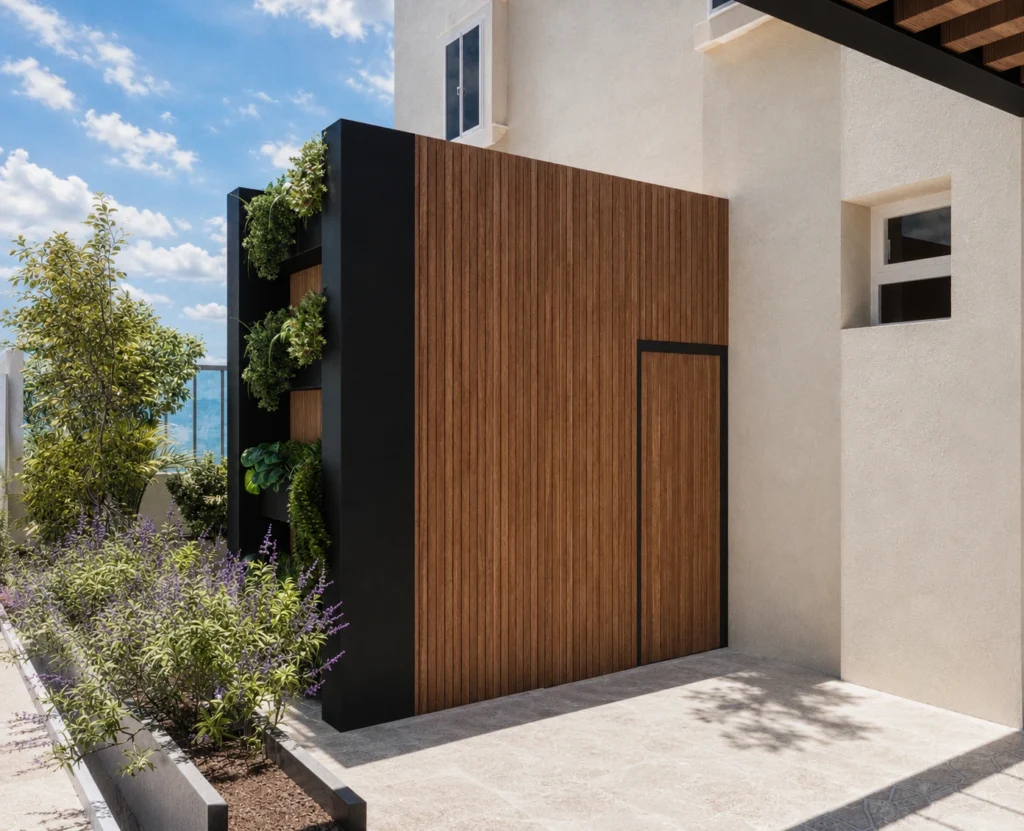
Wood cladding introduces warmth and contrast, particularly when combined with light-coloured walls or darker frames. Vertical slats and horizontal panels can highlight selected facade areas.
Metal elements, including dark window frames, screens, and railings, add definition and a contemporary character.
3. Glass, Concrete, and Exterior Finishes
Glass creates visual connections with outdoor views, while concrete and concrete-look finishes introduce a solid architectural character. Combining these materials with timber or metal can create contrast between transparent and solid surfaces.
The most effective combinations support the architectural concept. Too many contrasting finishes can make a villa facade feel fragmented.
4. Creating a Consistent Exterior Colour Palette
A controlled colour palette helps maintain visual harmony across the facade, boundary walls, and entrance.
Consider combining:
- Primary colour: The dominant exterior wall finish.
- Secondary colour: A complementary tone for selected volumes.
- Accent colour: A contrasting shade for doors, frames, and screens.
- Natural tones: Wood and stone finishes that add warmth.
Designing a Villa Facade for Its Site and Climate
An attractive exterior should also respond to its surroundings. Sunlight, orientation, privacy, and maintenance all influence the suitability of facade solutions.
Sunlight, Privacy, and Window Placement
The direction of sunlight affects window placement, glazing, and shading requirements. Canopies, pergolas, recessed windows, and external screens can help control direct sunlight while adding architectural depth.
Window arrangements should also balance natural light, ventilation, outdoor views, and privacy from neighbouring properties.
Landscaping and Outdoor Connections
Trees, planting beds, pathways, and outdoor seating can soften the transition between the villa and its surroundings. Their layout should relate to the building’s geometry and entrance sequence.
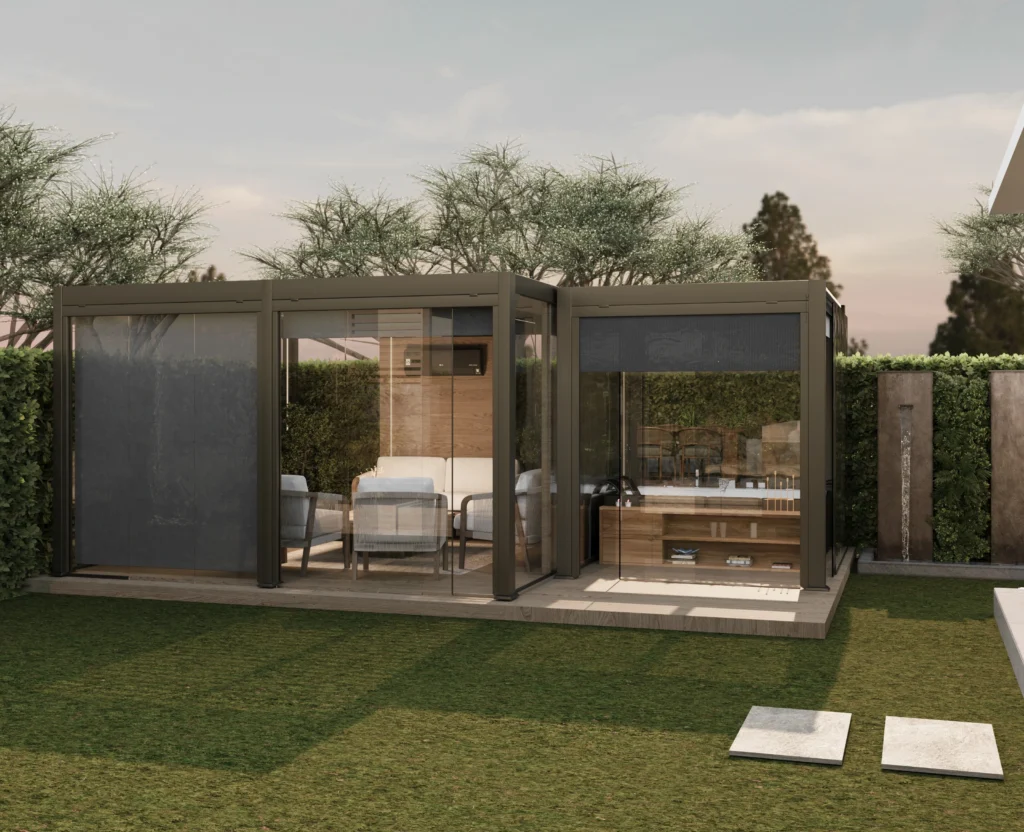
Glazed pavilions and covered outdoor areas can extend the visual connection between the villa and its garden.
Exterior Lighting and Material Maintenance
Exterior lighting can highlight entrances, textures, and architectural features after sunset. Wall lights, recessed fixtures, and landscape lighting should be positioned to avoid glare.
Material maintenance also matters. Exposure to sunlight, dust, and moisture can affect exterior finishes, so cleaning and durability requirements should be considered during selection.
For more residential inspiration, explore 10 contemporary villa interior design ideas from Mountain View iCity.
The Villa Facade Design Process
A structured process helps transform an initial concept into a coordinated and practical exterior design.
- Site and requirements assessment: Review the villa’s orientation, surroundings, proportions, privacy needs, and preferred architectural direction.
- Architectural concept: Establish the geometric language, facade composition, entrance position, and relationship between openings and solid surfaces.
- Materials and 3D visualization: Coordinate finishes and review the proposed design from different angles and lighting conditions.
- Design and execution coordination: Review dimensions, specifications, material interfaces, and installation details before implementation.
SKETCHURE is an interior design company, while FITCHURE, its sister subsidiary, is responsible for fit-out delivery when included in the project scope.
Discuss Your Villa Design Ideas With UsVilla Facade Inspiration from SKETCHURE Projects
Real project imagery offers useful references for understanding how materials, entrances, glazing, and outdoor features contribute to a villa’s overall appearance.
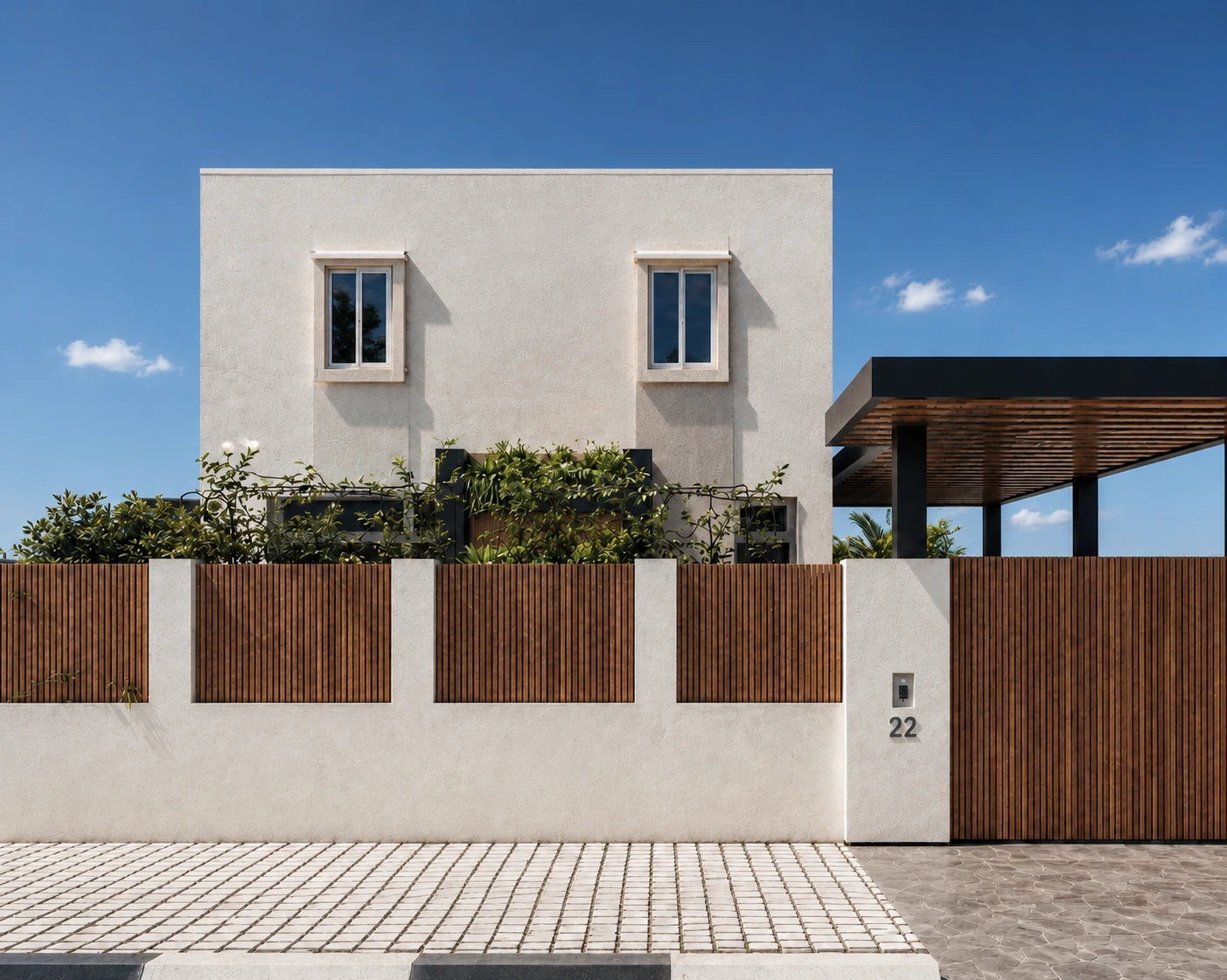
- Villa Rayhana: The supplied visuals show light textured finishes, vertical wood cladding, dark framing, and integrated greenery. Explore Villa Rayhana.
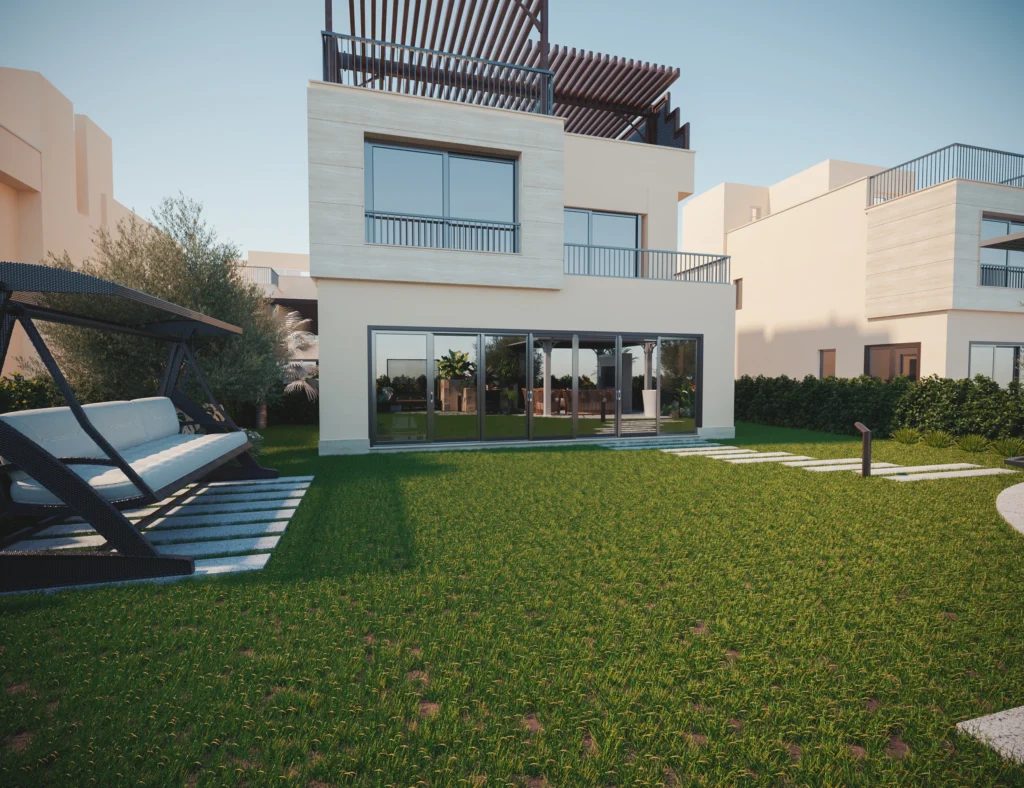
- Villa Marassi: The selected images illustrate exterior glazing and a shaded outdoor seating structure. View Villa Marassi.
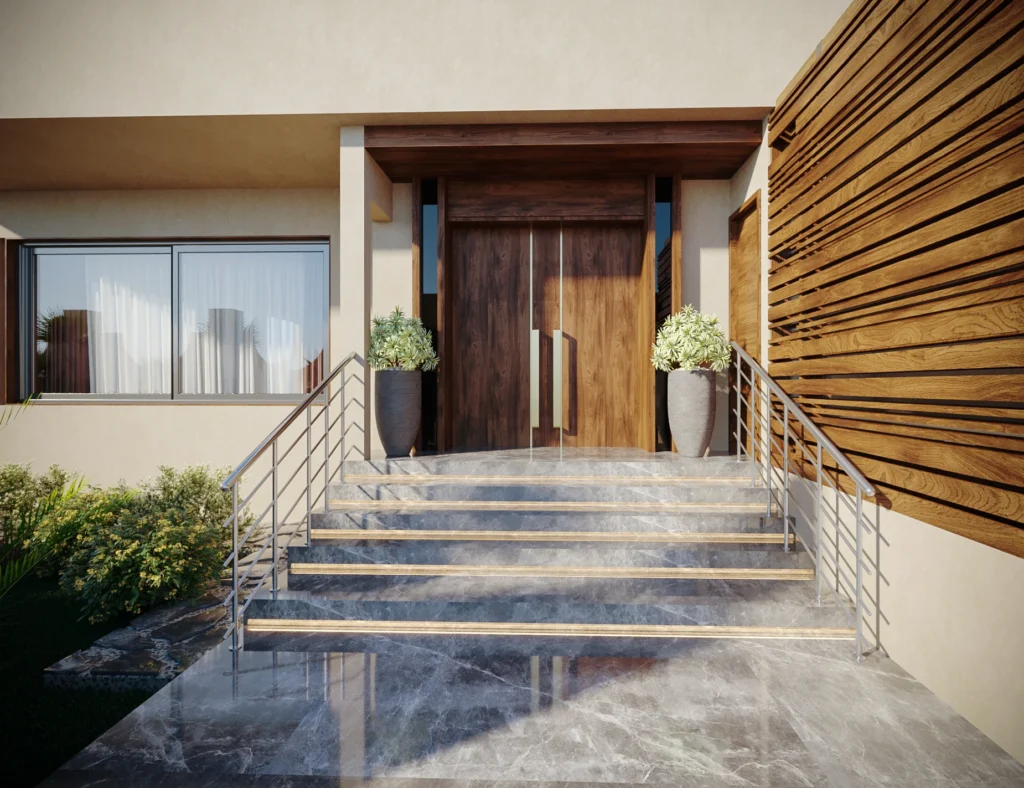
- Villa El-Sheikh Zayed: The entrance image highlights a wooden door, stone steps, and horizontal timber detailing. View Villa El-Sheikh Zayed.
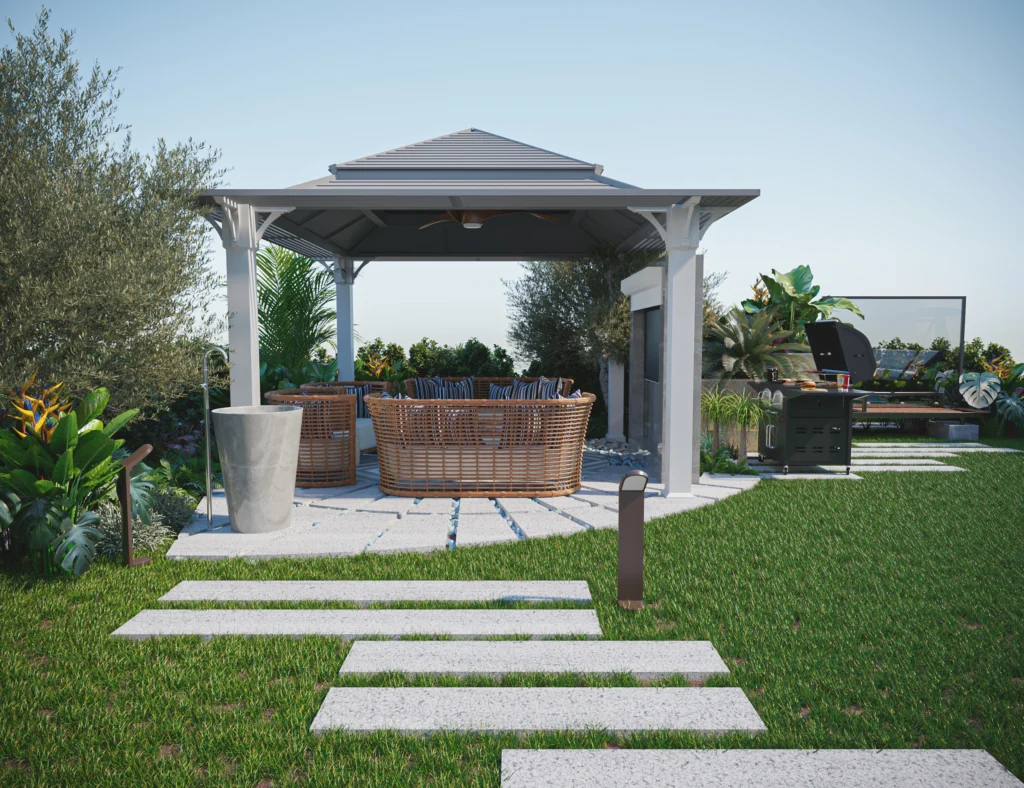
- Villa Badya: The supplied image shows a glazed pavilion within a landscaped outdoor setting. Explore Villa Badya.
For a broader understanding of how residential spaces are planned, explore SKETCHURE’s Residential Design services.
Common Villa Facade Design Mistakes to Avoid
Even attractive materials can produce an unbalanced result when they are not planned as part of one composition. Common mistakes include:
- Using too many materials: Excessive combinations can make the facade feel fragmented.
- Ignoring proportions: Oversized entrances or poorly positioned windows affect visual balance.
- Overlooking privacy: Large glass openings require careful planning and suitable shading.
- Separating the boundary wall: An unrelated fence or gate can weaken the exterior composition.
- Overusing decorative details: Too many patterns and projections can make the facade feel crowded.
- Ignoring maintenance: Exterior materials should suit local exposure and cleaning requirements.
- Poor exterior lighting: Incorrect fixture placement can create glare and hide architectural details.
Consistency and thoughtful detailing are usually more effective than adding unnecessary decorative elements.
Contact SKETCHURE to Discuss Your Villa ProjectFrequently Asked Questions About Villa Facade Design
This section answers common questions about villa facade design, covering architectural styles, material selection, exterior features, and practical considerations to help you make informed design decisions.
1. What Are the Most Popular Villa Facade Design Styles?
Modern, classic, neoclassical, Mediterranean, and contemporary styles are common choices. The best direction depends on the villa’s proportions, surroundings, and preferred architectural character.
2. Which Materials Are Suitable for a Modern Villa Facade?
Natural stone, textured plaster, exterior render, wood cladding, metal screens, and glass are commonly used. Their suitability depends on the design concept, site conditions, and maintenance requirements.
3. How Can a Villa Facade Look Modern Without Becoming Too Simple?
Variations in depth, carefully arranged openings, contrasting materials, and defined architectural volumes can add interest without excessive decoration.
4. Should the Villa Boundary Wall Match the Main Facade?
Yes. It should complement the facade through related colours, materials, and architectural details, while maintaining its own functional requirements for privacy and security.
5. How Can I Improve the Privacy of a Villa Facade?
Privacy can be improved through recessed windows, external screens, boundary walls, and carefully positioned landscaping without unnecessarily reducing natural light or ventilation.
6. Can an Existing Villa Facade Be Updated?
Yes. Depending on the building’s condition and applicable restrictions, updates may include exterior finishes, entrance details, shading elements, and selected non-structural features.
Final Thoughts
Successful villa facade design combines architectural identity, balanced proportions, carefully selected materials, and practical functionality. With expertise in villa and facade design, SKETCHURE develops distinctive concepts that reflect each villa’s character and style.
As SKETCHURE’s sister subsidiary, FITCHURE handles fit-out and execution, supporting the transition from design concepts to on-site implementation and helping maintain consistency throughout the project.
