

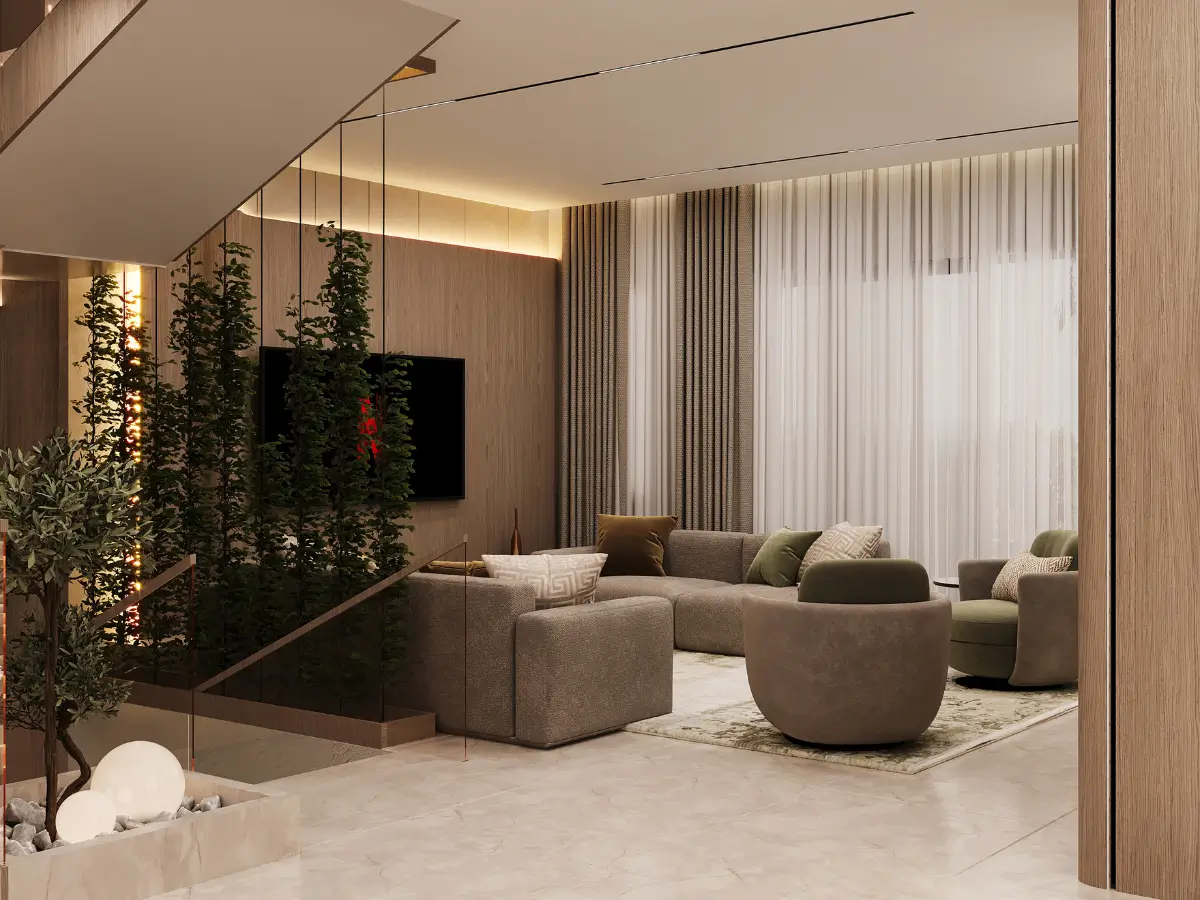
Small spaces are often seen as a limitation. In reality, they present one of the greatest opportunities for thoughtful design.
Designing a compact apartment, studio, or villa extension requires far more than selecting attractive furniture or choosing light paint colors. Every square meter carry responsibility. “Every design decision affects how people live, move, work, and relax within the space.” After working on residential interior projects, I’ve found that “successful small-space design isn’t about making a room appear larger, it’s about making it function better.“
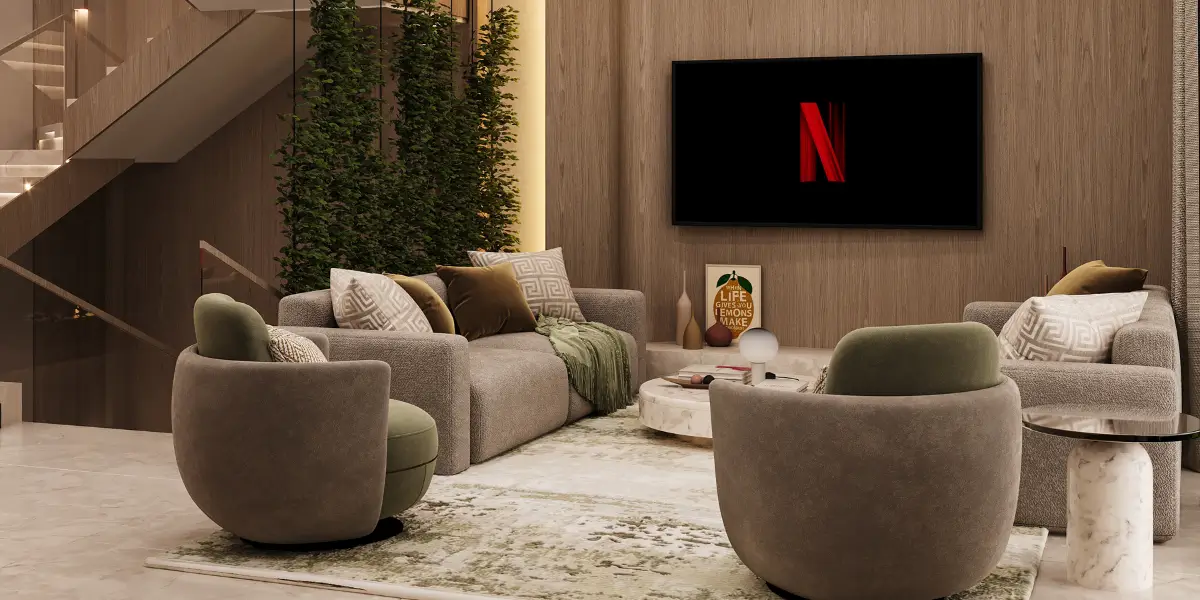
It Always Starts with the People, Not the Floor Plan
Before discussing layouts, materials, or furniture, I begin by understanding how the client actually lives.
for example: How do they spend their mornings? Do they work from home? Do they entertain guests frequently? How much storage do they realistically need?
A beautiful design that doesn’t support everyday life will never feel successful. Understanding daily routines allows every design decision to serve a real purpose instead of simply filling the room.
Why Small Spaces Demand Better Design
Large homes offer flexibility. Small homes demand precision.
In compact interiors, one oversized sofa can interrupt circulation. Poor storage planning creates visual clutter. Even the wrong furniture proportions can make a room feel cramped. That’s why every element must earn its place. Rather than adding more, successful small-space design often comes from editing unnecessary elements and prioritizing function.
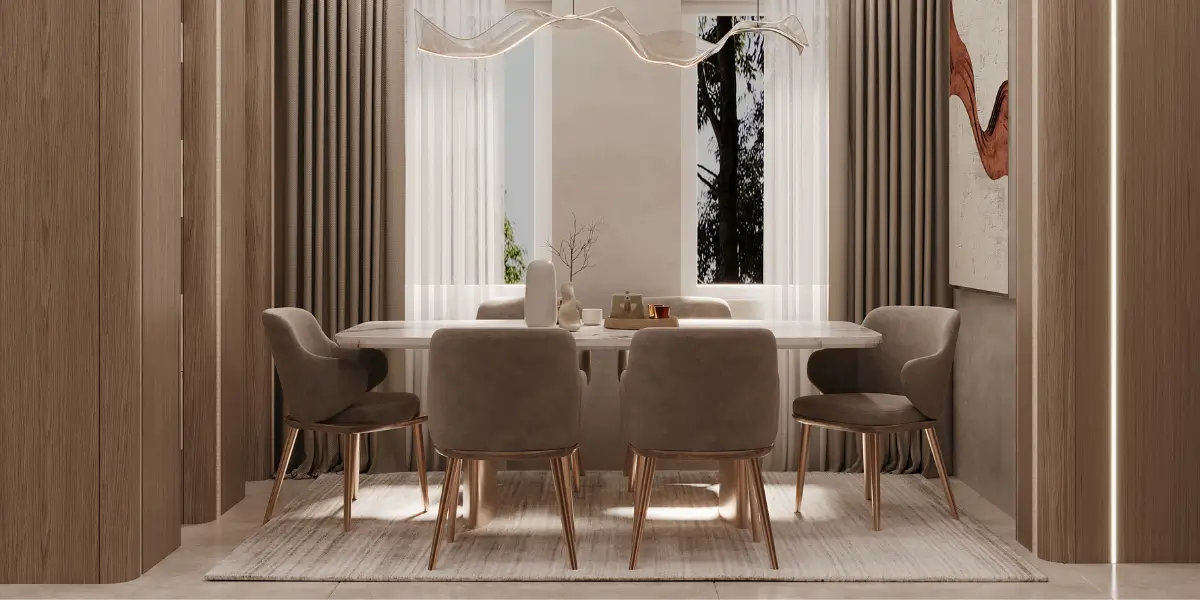
Circulation Is More Important Than Decoration
One of the most overlooked aspects of interior design is circulation. No matter how elegant a space looks, it fails if people cannot move comfortably through it.
Creating clear pathways, maintaining comfortable distances between furniture, and ensuring natural movement throughout the home are essential. Good circulation not only improves functionality but also creates the perception of a larger, more open environment.
Choosing Furniture That Works Harder
One common misconception is that maximizing a small room means filling every available corner.
In reality, carefully selected furniture creates a much better experience than simply adding more pieces. For compact interiors, I typically recommend:
- Multifunctional furniture that serves multiple purposes.
- Built-in storage solutions that reduce visual clutter.
- Furniture with exposed legs to create a lighter appearance.
- Flexible pieces that can adapt to changing needs.
When every centimeter matters, furniture should contribute both aesthetically and functionally.
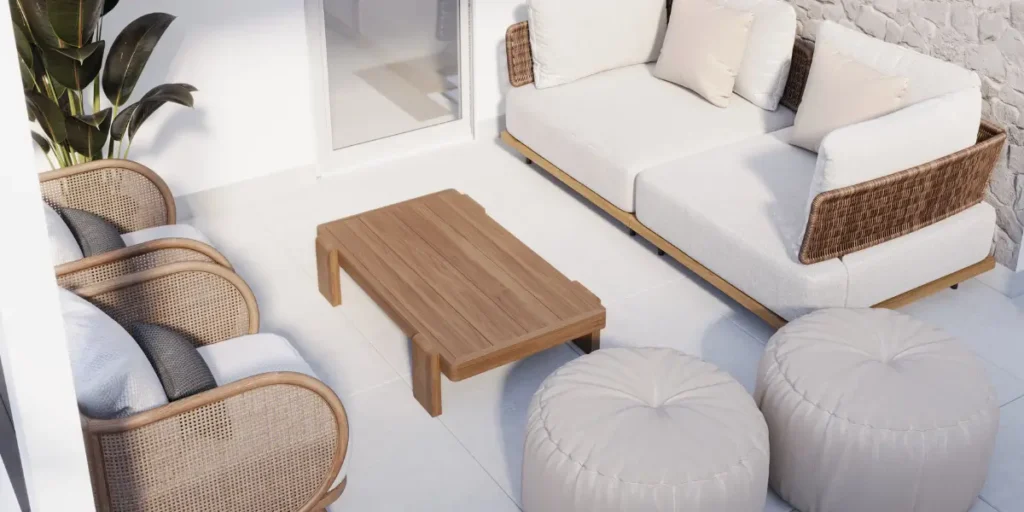
Custom vs. Ready-Made Furniture
Clients often ask whether custom furniture is worth the investment.
The answer depends on the space. If the layout is irregular or storage is limited, custom-built furniture can maximize every available centimeter while creating a seamless appearance.
For simpler layouts, carefully selected ready-made furniture can deliver excellent results when the proportions are appropriate.
The decision should always be driven by functionality rather than preference alone.
Storage Should Never Be an Afterthought
Storage is one of the biggest challenges in compact homes.
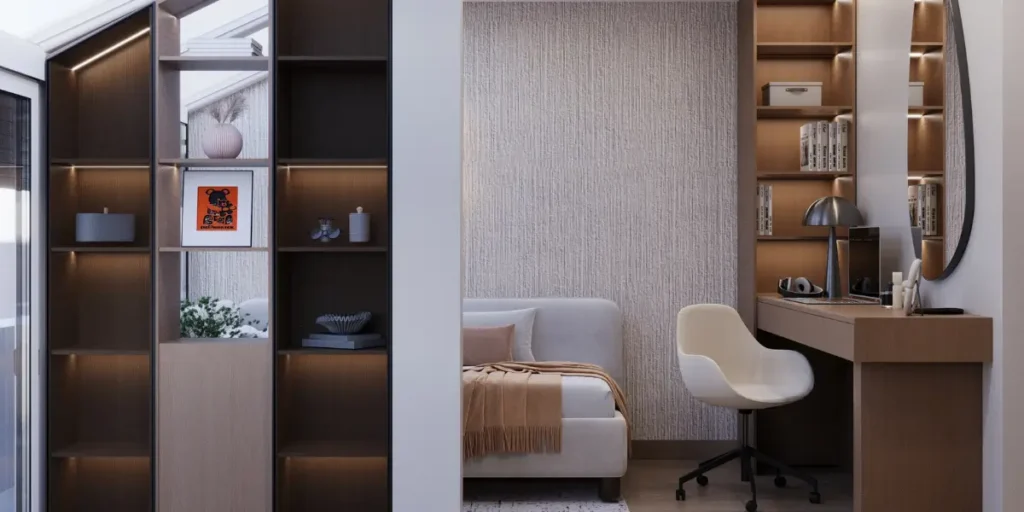
The best storage solutions are often the least noticeable because they’re integrated into the architecture itself. I always look for opportunities such as:
- Full-height cabinetry
- Under-bed storage
- Window seating with concealed compartments
- Built-in shelving
- Space above doorways
- Recessed niches
When storage is considered from the beginning of the design process, it becomes part of the overall aesthetic instead of competing with it.
Materials, Color, and Lighting Shape the Experience
Many people believe that small spaces must always be white.
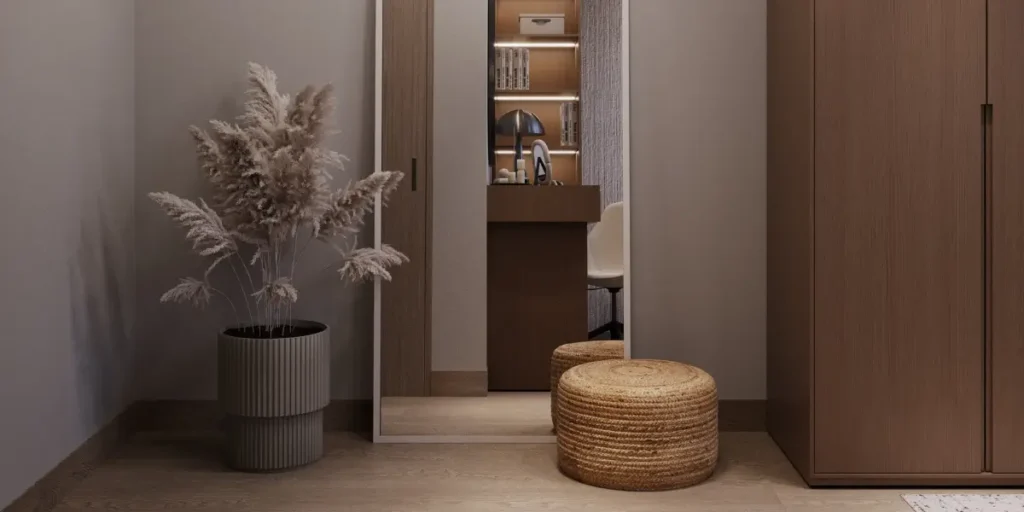
While lighter and warmer tones help reflect natural light and create openness, darker accents can introduce depth, contrast, and character when used thoughtfully. Material selection also plays an important role. Glass, light timber, reflective finishes, and continuous material palettes allow light to travel more freely throughout the interior, strengthening the sense of openness. Lighting is equally influential.
Layered lighting, combining ambient, task, and accent lighting adds depth, highlights architectural details, and prevents compact rooms from feeling flat.
Luxury Isn’t Measured by Square Meters
Some of the most luxurious homes I’ve designed weren’t the largest.
Luxury comes from thoughtful planning, refined detailing, high-quality materials, and spaces that feel intentionally designed for the people who live in them. A compact home can feel every bit as sophisticated as a much larger residence when every design decision supports comfort, functionality, and quality.
The Future of Small Space Living
As cities continue to grow and lifestyles evolve, compact living is becoming increasingly common around the world.
Today’s homeowners expect spaces that can adapt throughout the day whether for working, relaxing, entertaining, or spending time with family. We’re seeing growing demand for:
- Flexible layouts
- Hidden storage
- Multifunctional furniture
- Sustainable materials
- Smart home technology
- Compact appliances that improve everyday living
Technology is helping people achieve more with less space, making smaller homes both practical and highly efficient.
Designing Better, Not Bigger
Small spaces don’t require compromise, they require intention.
When every decision is guided by functionality, circulation, storage, and the way people truly live, compact interiors become comfortable, efficient, and timeless. Great design isn’t measured by the size of a home. It’s measured by how well that home supports the people who live in it.
Maram’s Design Philosophy
Every project begins with understanding the people who will live in the space. When design is shaped around their lifestyle rather than trends alone, the result is a home that remains functional, beautiful, and relevant for years to come.
“Design should fit the way you live, creating spaces that are not only practical but also inspiring, comfortable, and timeless.”
Maram Shiha
Sr. Interior Designer
