


Behind every successful interior design project is more than creativity, there is a structured process that transforms ideas into spaces that can actually be built.
Clients often focus on the final renderings, materials, or finishes, but what determines whether a project is delivered on time, within budget, and according to expectations is project management.
Project management isn’t simply about tracking deadlines. It’s about creating a clear roadmap that aligns designers, clients, and contractors from the first meeting until project handover.
Project Management Starts Before Design Begins
Many people assume project management starts once drawings are complete. In reality, it begins much earlier. Before any design work starts, we establish the project’s foundation by defining:
- Client requirements
- Budget
- Project scope
- Site conditions
- Timeline
- Expected deliverables
One of the most important steps is documenting a clear Definition of Done for every project phase. This ensures every stakeholder understands what success looks like before work begins. Building this clarity early reduces uncertainty throughout the project lifecycle.
Defining Scope Creates Better Projects
One of the biggest causes of project delays is unclear scope. A well-defined scope outlines exactly what will be delivered and equally important, what falls outside the project. By establishing milestones, responsibilities, and realistic timelines from the beginning, the team can focus on delivering quality instead of constantly reacting to unexpected changes.
Realistic planning also protects both the design team and the client by ensuring that no phase creates unnecessary pressure on the next.

The Project Manager Connects Every Stakeholder
Interior design projects involve multiple teams working toward one shared goal. The project manager serves as the connection point between:
- Designers
- Clients
- Contractors
Each relationship requires a different management approach.
1- Supporting the Design Team
My leadership approach focuses on enabling the team to perform at their best. By creating clear workflows, documenting responsibilities, monitoring progress, and removing obstacles, designers can concentrate on delivering creative solutions rather than managing operational challenges.
2- Maintaining Client Alignment
Transparency builds trust. Regular review meetings allow clients to stay informed throughout the project rather than waiting until major milestones. Continuous communication also ensures the design evolves alongside the client’s expectations.
3- Coordinating Contractors
Execution becomes much smoother when contractors receive detailed implementation plans broken into manageable phases. clear documentation, realistic milestones, and practical construction information reduce confusion on site and improve coordination throughout execution.
Why Continuous Feedback Matters
One of the most effective ways to reduce costly revisions is involving the client throughout the project. Instead of waiting until the end of a design phase, I prefer scheduled review sessions where completed work is presented regularly.This structured feedback loop allows adjustments to be made while they’re still manageable. Early collaboration saves time, reduces rework, and keeps the project moving forward efficiently.
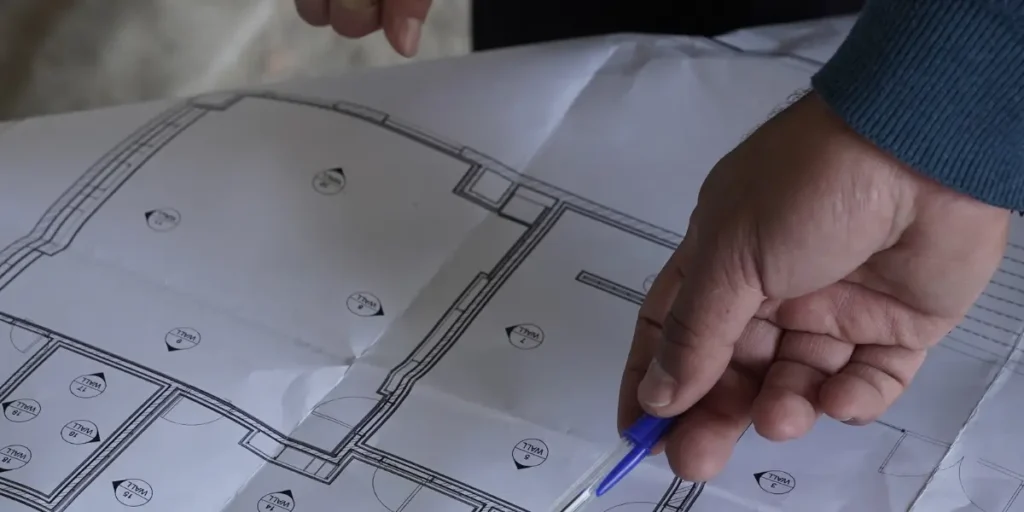
Keeping Everyone Aligned
Every project has different stakeholders with different priorities. Some require detailed technical updates. Others only need milestone summaries.
Successful stakeholder management begins by identifying:
- Who needs information
- What information they need
- When they need it
- How it should be communicated
Communication plans should also evolve as projects progress to ensure everyone remains aligned despite changing priorities.
Deliverables Should Never Be Left to Interpretation
Quality delivery begins with clearly defining expectations. Every deliverable should have documented acceptance criteria before work begins. Throughout the project, regular progress reviews help verify that deliverables meet both technical standards and client expectations.
This proactive approach minimizes misunderstandings and prevents expensive corrections later.
Building High-Performing Project Teams
Successful projects depend on assigning the right people to the right responsibilities. So task delegation isn’t simply about distributing workload. It begins with understanding each team member’s strengths. During fast-paced projects, assigning work based on expertise helps maintain quality while meeting deadlines.
For projects with greater flexibility, cross-functional collaboration creates opportunities for professional development while strengthening the team’s overall capabilities.
Clearly defined responsibilities supported by tools such as a RACI matrix help eliminate ambiguity and improve accountability across the project.
Great Design Needs Great Management
Beautiful interiors don’t happen by chance. Behind every successful project is careful planning, clear communication, structured workflows, and continuous collaboration. Project management provides the framework that allows creativity to flourish while ensuring every decision remains practical, achievable, and aligned with the client’s vision.
Merhan’s Project Management Philosophy
Every successful project starts with a shared vision and succeeds through collaboration, clear communication, and structured execution. I believe project management is not just about keeping schedules on track, it’s about empowering teams, building trust among stakeholders, and creating an environment where great ideas can be transformed into exceptional spaces.
“Contributing to meaningful work alongside passionate minds has shown me that this path isn’t just a career.”
Merhan Mahmoud
Project Manager
