
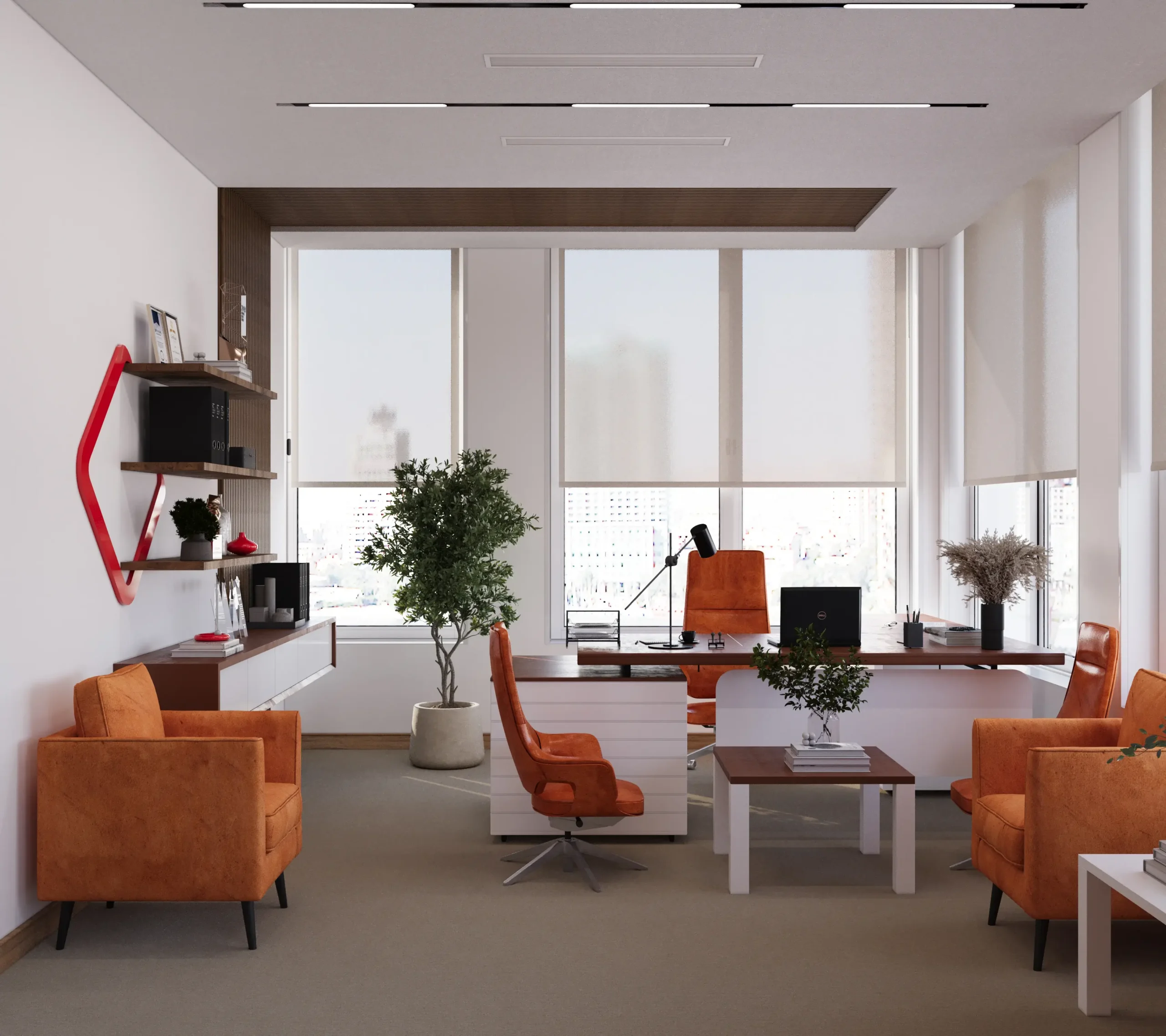
A well-designed executive office can strengthen focus, improve the quality of meetings, support privacy, and shape how leadership is perceived from the moment someone walks in. That is the real value of executive office interior design: creating a space that performs as well as it presents.
The offices that do this best are not necessarily the largest or the most expensive. They are the ones planned with intention, where layout, comfort, visual identity, storage, lighting, and material choices all work together to support how leaders actually work.
So, let’s break down the design decisions that make an executive office feel modern, credible, and genuinely fit for today’s workplace.
Explore SKETCHURE Office ProjectsDefining Executive and CEO Office Design
An executive office is not defined by privacy alone, nor by premium finishes for their own sake. Its real value lies in how well it supports leadership, reflects the business, and performs under daily demands. That is what gives ceo office interior design its real significance.
The spaces that do this well usually get three things right from the start: they establish the right level of authority, express the brand in a refined way, and function smoothly for the reality of executive work. Together, those three factors shape whether the office feels genuinely executive or merely more expensive than the rest of the workplace.
Authority: Presence That Feels Earned, Not Staged
Authority in design is often misunderstood. It does not come from oversized desks, dark finishes, or expensive materials alone. It comes from control. A clear layout, confident proportions, refined detailing, and a room that feels composed all contribute more to executive presence than decorative excess ever could.
Branding: A Space That Quietly Reflects the Business
Branding plays a different role in leadership spaces. It should not be loud or overly literal. The best executive offices express the brand through material choices, architectural language, color restraint, and the overall atmosphere of the room. That subtlety tends to feel more premium and more credible.
Functionality: Designed to Support Real Executive Work
Functionality is what makes the space sustainable in daily use. A CEO’s office may need to support focused solo work, one-to-one meetings, virtual presentations, brief internal discussions, document access, hospitality, and moments of privacy, often all within the same footprint. The design must make these transitions feel seamless rather than forced.
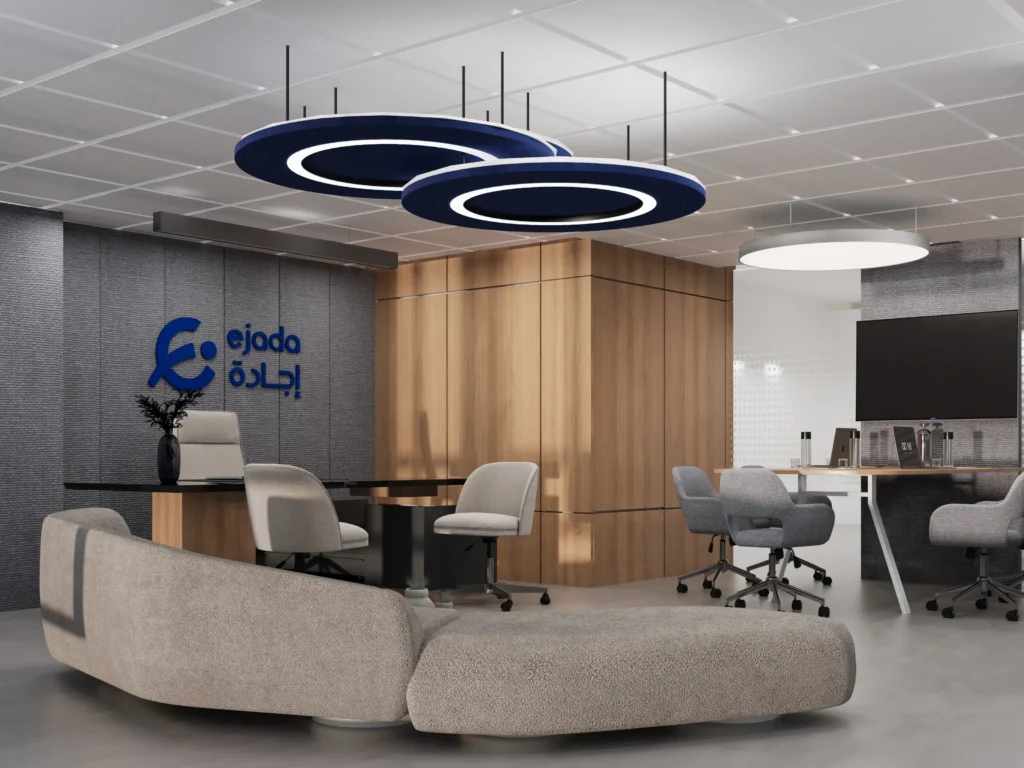
Core Elements of CEO Office Interior Design
The strongest executive offices start with the fundamentals. Before style can make an impact, the space needs a smart layout, refined materials, and seamless integration. Get those right, and the office feels more credible, polished, and fit for leadership from day one.
Layout: A Room That Works the Way Leadership Works
Layout is where CEO office interior design proves its value. The desk should anchor the room with intention, circulation should feel natural, and the space should support focus, meetings, and privacy without feeling fragmented. When the layout works, the office feels more efficient, more comfortable, and more executive.
Materials: Refinement You Can See and Feel
Material choices shape how an executive office looks, feels, and performs. In executive office interior design, finishes like wood, stone, glass, and tailored upholstery work best when used with restraint. The goal is not excess, but a space that feels refined, durable, and quietly premium.
Smart Integration: The Details That Keep the Office Seamless
Smart integration is what keeps an executive office clean, efficient, and easy to use. In executive office interior design, details like built-in storage, concealed cabling, integrated lighting, acoustic treatment, and discreet tech help the space feel more seamless, functional, and polished.
Design Styles and Space Planning Strategies
The best executive offices do more than look good. They feel aligned with the brand, support the right kind of meetings, and handle privacy without sacrificing openness or ease of use. That is where style and planning need to work together.
A strong executive office usually gets three things right: the design concept suits the business, the meeting setup feels natural, and privacy is built in without making the room feel closed off.
Modern Concepts: A Look That Feels Current and Controlled
Modern executive office interior design usually works best when the space feels clean, intentional, and visually disciplined. That does not mean cold minimalism. It means using form, finishes, and furniture with enough restraint to create a room that feels current, refined, and credible.
Meeting Zones: Built for Conversation, Not Just Appearance
A CEO office often needs to support more than one kind of meeting. Some spaces need a formal table for presentations and partner discussions. Others work better with a smaller lounge-style setup for quicker conversations. In both cases, the meeting zone should feel integrated into the office, not added as an afterthought.
Privacy Solutions: Openness Without Losing Discretion
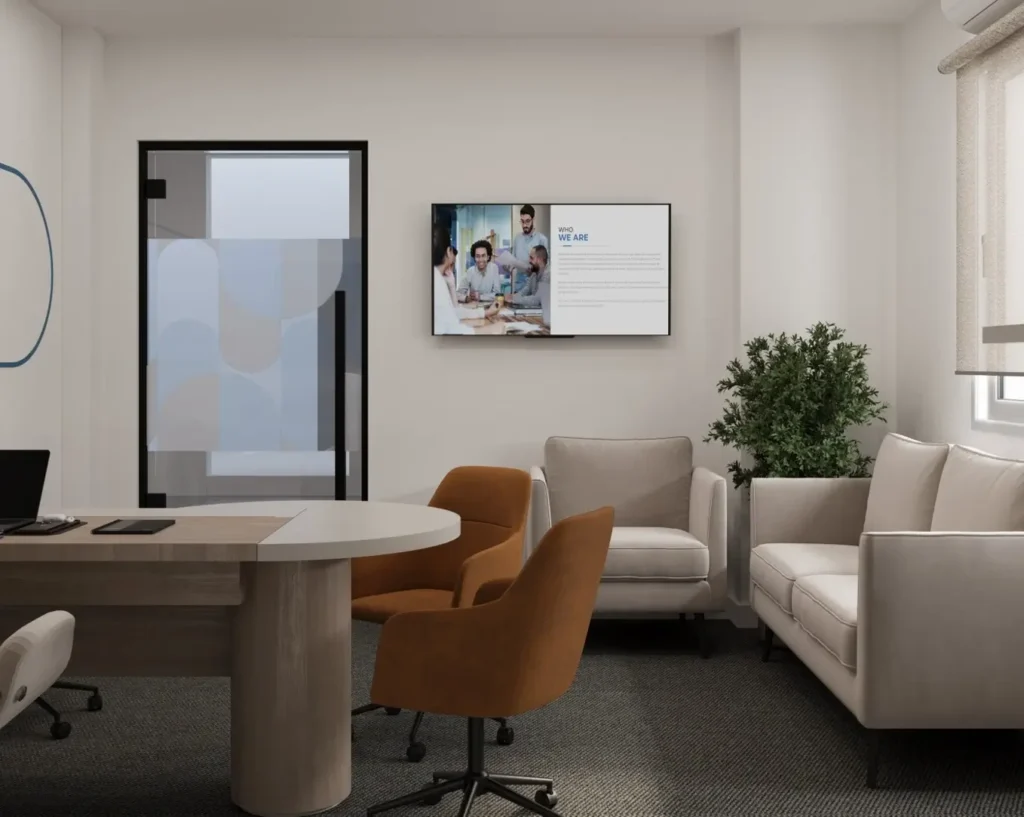
Privacy remains essential in ceo office interior design, but it does not always require complete visual separation. Glass partitions, acoustic planning, controlled sightlines, and smart zoning can all help create privacy while keeping the office modern and connected.
This is especially relevant across Egypt, the UAE, Saudi Arabia, Oman, and Qatar, where executive offices often need to balance day-to-day functionality with a stronger level of representation and hosting.
Read more
Office Zones Explained: Types, Functions, and Design Consideration
Execution Process and Cost Considerations
A strong concept only delivers value when it is executed well. In executive office interior design, the final result depends on clear planning, smooth coordination, and smart budgeting from the start.
The most successful projects usually come down to a well-defined plan, disciplined implementation, and a budget focused on what matters most.
Planning: Defining What the Office Needs to Do
Before design decisions are made, the role of the office needs to be clear. Is it mainly for focused work, private meetings, client hosting, or a mix of all three? Once that is defined, it becomes easier to plan the layout, materials, and level of customization the space really needs.
Implementation: Protecting the Design Through Delivery
Execution is where quality is either maintained or lost. In ceo office interior design, details like technical coordination, custom joinery, lighting, finishes, and site follow-through all shape whether the final office feels resolved and professional.
Budget Factors: Spending Where It Adds Real Value
There is no single cost for an executive office. The budget usually depends on the room size, fit-out scope, material level, custom furniture, lighting, technology, and project complexity. The best results often come from investing in the elements that affect daily use most, such as layout quality, storage, lighting, and finish consistency.
Discover Our Office Design ServicesWhy Choose SKETCHURE for Executive Office Design?
Designing a leadership space requires strategic thinking, technical control, and the ability to deliver a finished office that works as well as it looks.
That is where the right design partner makes the difference. In executive office interior design, expertise, project management, and delivery quality are what turn a concept into a space that truly supports leadership.
1. Expertise: Design Decisions Grounded in Real Office Use
SKETCHURE approaches office design through functionality, brand expression, and strategic planning. That matters because executive spaces need to do more than appear polished. They need to support how leadership actually works.
2. Project Management: Control from Concept to Completion
A well-designed executive office depends on more than creative direction. It also needs coordination across layout planning, materials, detailing, and execution. Strong project management helps protect the design intent and reduce avoidable gaps during delivery.
3. Quality Delivery: A Finished Space That Holds Up in Practice
Across office-related projects such as Ejada Alex, Bashar Soft, and TAMWEELY, SKETCHURE shows an approach shaped by precision, functionality, and execution quality. That is exactly what ceo office interior design requires when the goal is a space that feels credible, refined, and built to perform.
Read more
Designing with purpose: 4 office styles that define modern work culture
Meeting & Conference Room Design ideas for Offices
Where does SKETCHURE Provide Executive Office Interior Design Services?
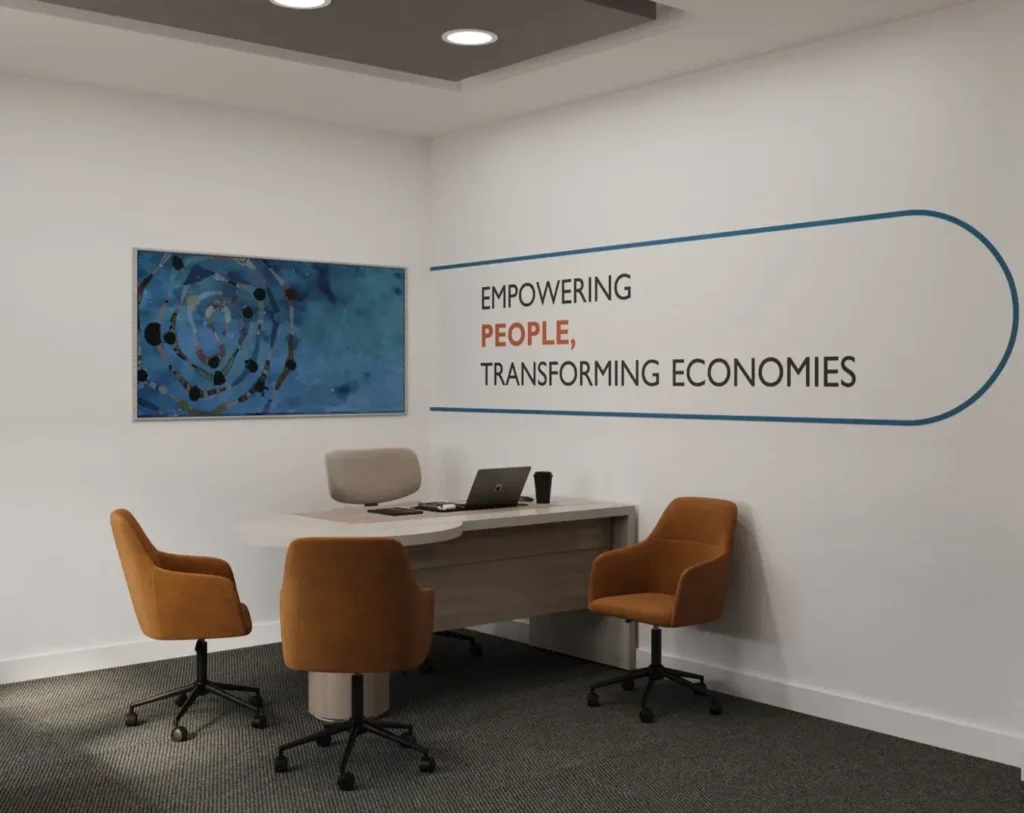
Executive office interior design needs to respond to different business cultures, architectural standards, and workplace expectations across the region. At SKETCHURE, our office design services support leadership spaces across Egypt, the UAE, Saudi Arabia, Oman, and Qatar, where executive offices often combine functionality with a strong level of representation.
In cities such as Cairo, Dubai, Riyadh, Muscat, and Doha, CEO offices frequently need to balance focused work, client hosting, private meetings, and brand presence within the same space. That requires thoughtful layout planning, refined materials, integrated technology, and privacy solutions that support modern executive work.
Our approach to CEO office interior design and executive office interior design focuses on creating leadership spaces that feel credible, functional, and aligned with the business identity while adapting to the professional standards of each market across the Middle East.
The Executive Office, Done Right
A well-designed executive office shapes more than the room itself. It influences how leadership is experienced, how conversations are held, and how the business presents itself at its highest level.
That is what makes ceo office interior design and executive office interior design worth approaching strategically. And when the time comes to shape a space that reflects your leadership, supports your work, and represents your business well, the right design partner can make all the difference.
Contact SKETCHURE Team for a Free ConsultationFAQs
1. How can you make a small CEO office feel more premium?
A smaller office can feel highly executive when the layout is efficient, storage is built in, and the furniture is scaled properly to the room. In executive office interior design, good lighting, restrained materials, and fewer but stronger design choices usually create more impact than trying to fit in too much.
2. What should be prioritized first in executive office interior design?
Start with the layout. Before choosing finishes or statement furniture, the office needs to support how the executive actually works. Once the zoning, circulation, privacy needs, and meeting setup are clear, material and furniture decisions become much easier and more effective.
3. How can an executive office support both hybrid meetings and confidentiality?
This usually comes down to smart integration. Acoustic treatment, controlled sightlines, discreet screens, integrated lighting, and well-placed seating can help the office perform for virtual meetings while still protecting privacy during in-person conversations.
