
Discovering Balance in Design
Feng Shui is an ancient Chinese practice that aims to create harmony by arranging spaces to support the natural flow of energy. It’s believed to influence well-being, relationships, and prosperity, helping you create a more balanced and peaceful environment.
A “bagua” is a feng shui energy map placed over your home’s floor plan, dividing it into eight areas that represent key life aspects like wealth, family, and career. Each area corresponds to specific elements, colors, shapes, and more. At the center is a ninth zone symbolizing overall well-being. Different feng shui schools use the bagua in varying ways.
Balance & Harmony
Feng Shui creates balance by incorporating the five elements:
- Wood
- Fire
- Earth
- Metal
- Water
When used thoughtfully, these elements improve the flow of energy (Qi), creating a harmonious and inviting environment.
The Commanding Position
In Feng Shui, the commanding position is where key furniture, like the bed, desk, or stove, is placed for optimal energy flow. These pieces should be positioned so you can see the door while having a solid backing, symbolizing security. This setup supports important areas of life, personal well-being, career, and wealth, while helping to maintain smooth Qi flow by avoiding direct alignment with doors or windows.
The Power of Colours
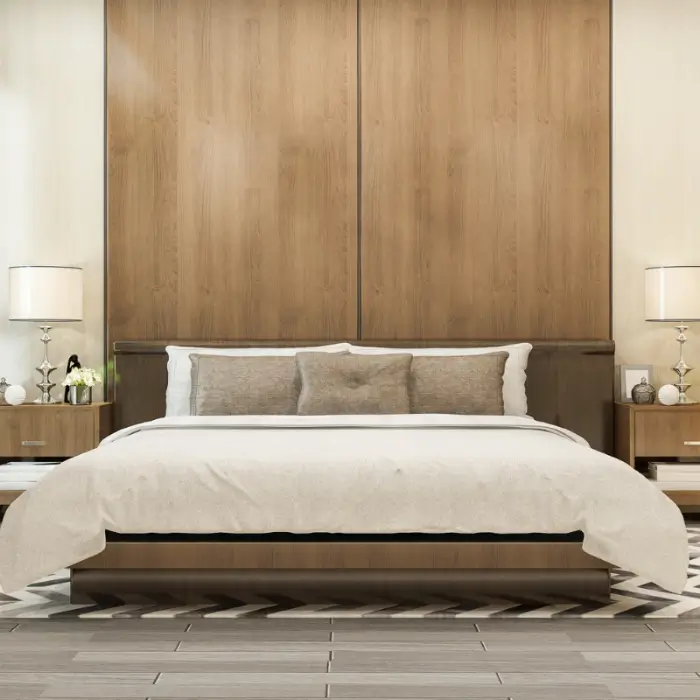
Colors greatly influence our emotions and energy. In Feng Shui, specific colors are used to evoke certain energies:
- Warm tones like red and orange spark passion
- Cool shades like blue and green promote calm and growth
By focusing on the Bagua areas you wish to enhance, to boost the desired energy in your space.
Natural Light
Natural light and fresh air are key to good Feng Shui, promoting vitality and well-being. Maximize daylight by:
- Opening curtains to maximize light entry
- Using mirrors to reflect light and enhance spaciousness
- Strategic window placement improve energy flow & create more inviting atmosphere
Connecting with Nature
In Feng Shui, bringing nature indoors with plants and natural materials like wood and stone enhances both aesthetics and energy flow, creating a soothing connection to the natural world.
Symbolic Pieces
In Feng Shui, certain objects are believed to attract positive energy and good fortune. Incorporating items like:
- Crystals
- Mirrors
- Lucky bamboo
- Salt Lamps
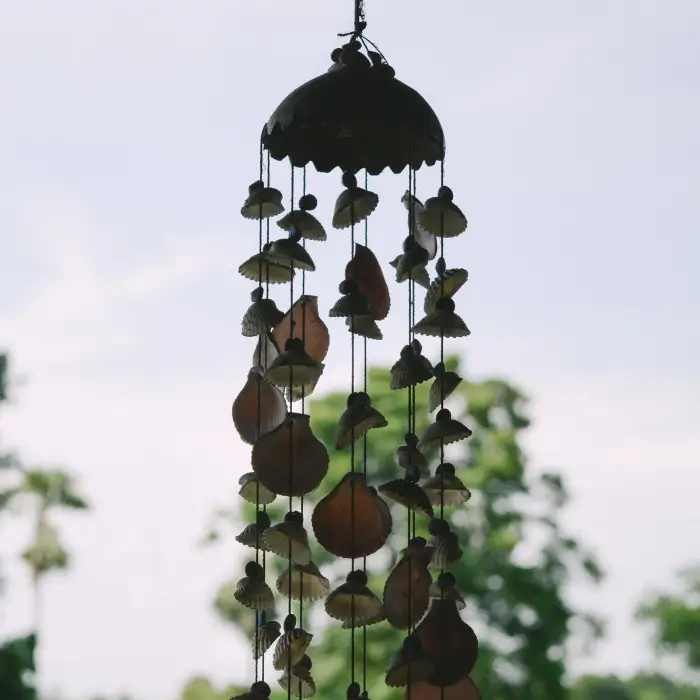
- Wind Chimes
can help enhance the flow of Qi and bring positive vibes into your home.
The Final Touch: Living in Qi
In conclusion, Feng Shui is about creating harmony and balance in your environment. By thoughtfully arranging & utilizing elements around you, you can create a space that embodies good energy and live in harmonious balance.
Here’s a guide on how to apply those principles
- Declutter your space: clutter is the biggest NO in Feng Shui principles as it is believed to bring negative energy into any space. Anything that alters the natural flow of the space is not welcomed.
- Identify the purpose of each room and each corner: you should have a clear vision for each room, what it is supposed to serve, and how it will look. This will simplify the process of furnishing and decoration.
- Consider the small details: Feng Shui experts believe that placing your dearest objects in appropriate Bagua zones will make you feel comfortable and at peace, which will increase the positivity levels surrounding that space.
- Lighting and visibility: Make sure your windows are clutter free and freely allow the passage of natural light. This ensures energy circulation and promotes good energies to flow in. If natural light is not accessible through a window, use warm and bright artificial lights.
- Utilize natural elements: Plants are believed to promote mental health and mood, and they are also perceived as symbols of growth and prosperity. For example, Bamboo, Peace Lily, and Money plants are recommended. However, plants with thorny leaves or spines are believed to promote aggressive energy flow, so they should be avoided.
Follow us on Instagram to learn more about different principles in interior design and how to implement them in your space!
