
Why Psychology Matters in Retail Design?
Retail interior design is not just about creating beautiful spaces; it is about shaping behavior. Every design decision inside a retail environment influences how customers think, feel, move, and ultimately decide to buy.
From the moment a customer enters a store, psychological cues begin to work: layout directs movement, lighting affects perception, colors influence mood, and materials communicate quality. Effective retail store interior design reduces friction, guides attention naturally, and increases purchase likelihood, often without the customer being consciously aware of it.
Consumer Psychology in Retail Spaces
Customers do not shop rationally. In reality, most in-store decisions are emotional, intuitive, and influenced by environmental factors
Key psychological factors at play include:
- Limited attention span: Shoppers scan rather than analyze.
- Cognitive load: Too many choices or visual clutter can cause decision fatigue.
- Emotions & mood: A calm, inviting environment increases openness to purchase.
- Shopping intent: Browsers and mission-driven shoppers respond differently to spatial cues.
Successful retail shop interior design anticipates these behaviors and simplifies the customer journey instead of overwhelming it.
1. Store Layout Psychology & Customer Flow
Layout is one of the most powerful psychological tools in retail design. It controls how customers move, how long they stay, and how many products they encounter.
Well-planned layouts:
- Create intuitive circulation paths
- Encourage exploration without confusion
- Increase dwell time without causing fatigue
- Guide customers toward key zones and high-margin products
Poor layouts, on the other hand, create stress, missed opportunities, and early exits. Strategic retail interior design balances exposure and comfort, ensuring customers feel guided, not forced.
2. Color Psychology in Retail Interior Design
- Color directly affects perception, emotion, and decision-making
- Warm tones can create energy and urgency
- Cool tones often communicate calm, trust, and professionalism
- Neutral palettes support premium positioning and product focus
In retail store interior design, color should always align with brand personality and target audience. A mismatch between brand values and color psychology can cause subconscious discomfort or hesitation, even if the design looks visually appealing.
3. Lighting Psychology & Perceived Value
Lighting does more than illuminate; it shapes perceived value. Focused lighting draws attention to hero products
- Soft ambient lighting creates comfort and warmth
- High-contrast lighting can elevate perceived quality
- Poor lighting reduces trust and makes products feel less desirable
Effective retail interior design uses layered lighting to influence how customers emotionally interpret both the space and the products within it.
Explore How Lighting Shapes Perceived Value
4. Materials, Textures & Sensory Design
Customers “feel” a space before they consciously evaluate it. Materials and textures communicate:
- Quality and craftsmanship
- Brand credibility
- Price positioning (premium vs. budget)
Beyond visuals, sensory factors like acoustics, touchpoints, and spatial comfort play a major role. Thoughtful retail shop interior design engages multiple senses to create an environment where customers feel confident, comfortable, and willing to stay longer.
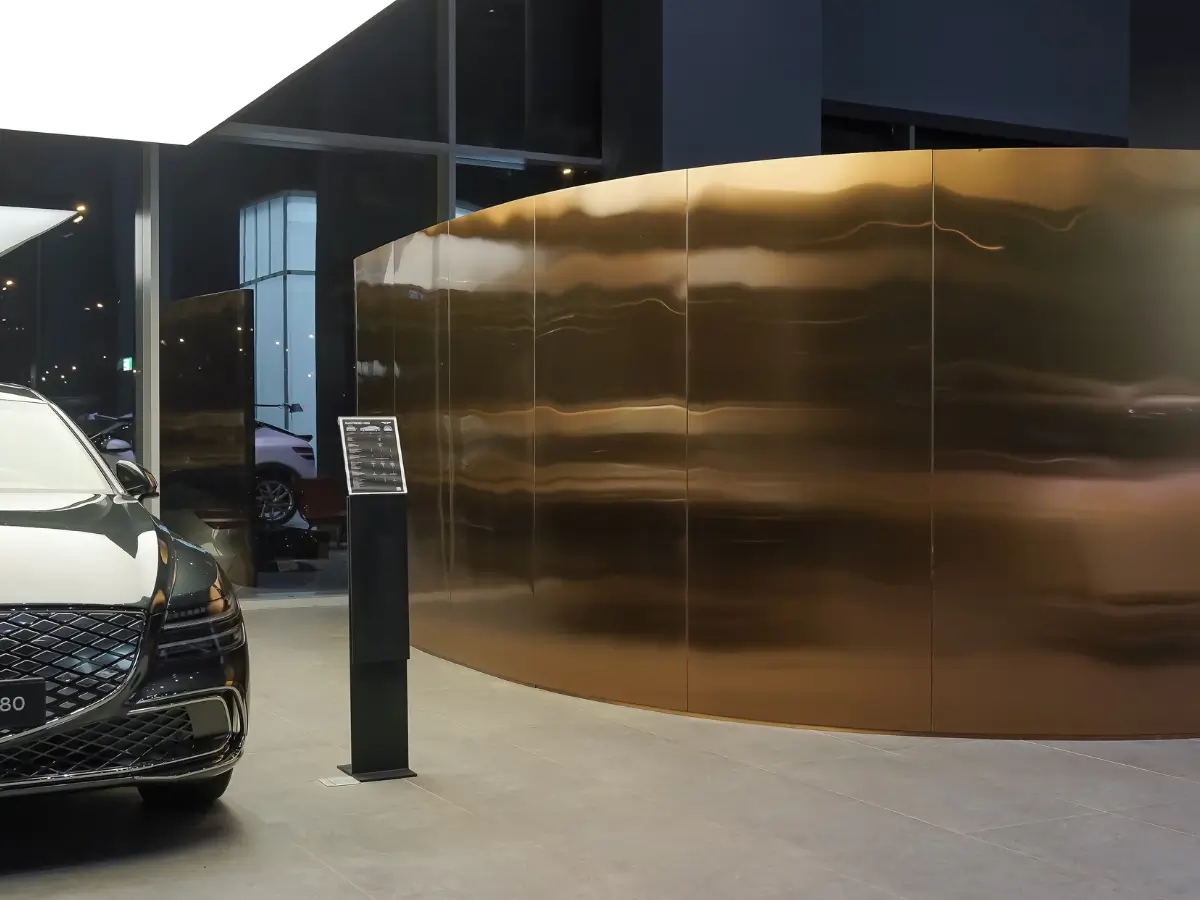
See how material choices shape brand perception in Genesis Showroom
5. Emotional Design & Brand Perception
Retail interiors are powerful brand storytellers. When design consistently reflects brand values, tone, and promise, it creates emotional connection and memorability. Customers are more likely to return to spaces that feel aligned with their identity and lifestyle.
Strong retail interior design transforms stores into brand experiences, not just points of sale.
6. Trust, Comfort & Time Spent in Store
Comfort directly impacts revenue. Design elements that increase trust and comfort include:
- Clear navigation and signage
- Balanced spatial proportions
- Comfortable circulation widths
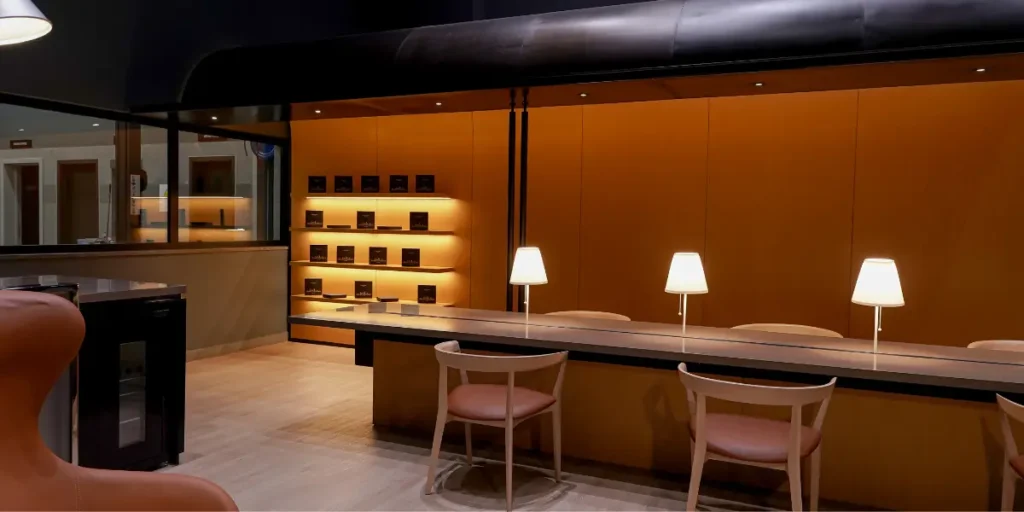
- Seating or pause zones where appropriate
- Good air flow and thermal comfort
When customers feel at ease, they spend more time browsing, and time spent strongly correlates with purchase likelihood.
7. Cultural & Social Psychology in Retail Design
Retail psychology is not universal. Cultural norms, social behavior, and local habits significantly influence how spaces are perceived. What works in one market may fail in another. Ignoring cultural context in retail store interior design can result in spaces that look impressive but perform poorly. Successful retail design adapts global standards to local behavior patterns.
Common Psychological Mistakes in Retail Interior Design
Even visually striking stores can fail psychologically. Common mistakes include:
- Overstimulation and visual clutter
- Designer-centric thinking over customer needs
- Poor zoning and confusing layouts
- Inadequate lighting strategy
- Ignoring comfort and navigation clarity
Retail interiors should serve the customer first, and design should support behavior, not distract from it.
Applying Retail Psychology to Real Projects: SKETCHURE’s Approach
At SKETCHURE, retail interior design begins with understanding people, not trends. Each retail project is developed through:
- Customer behavior analysis
- Brand positioning alignment
- Strategic layout planning
- Sensory and emotional design integration
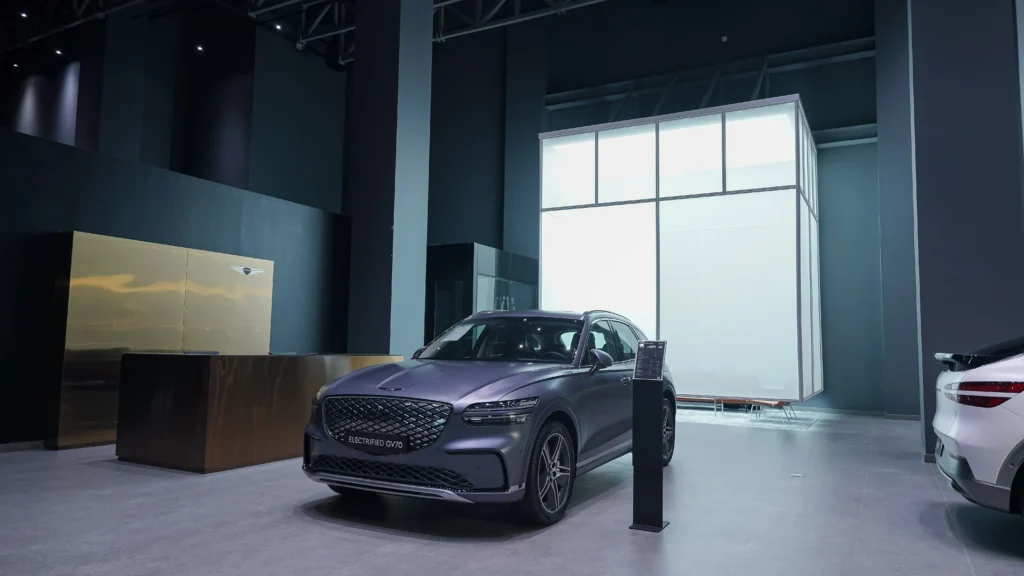
Rather than applying one-size-fits-all aesthetics, SKETCHURE translates psychological principles into practical, commercially effective design decisions. This approach ensures that every retail space not only looks refined but also performs, enhancing customer experience, strengthening brand perception, and supporting long-term business growth.
See how SKETCHURE transforms retail psychology into high-performing interior spaces
