
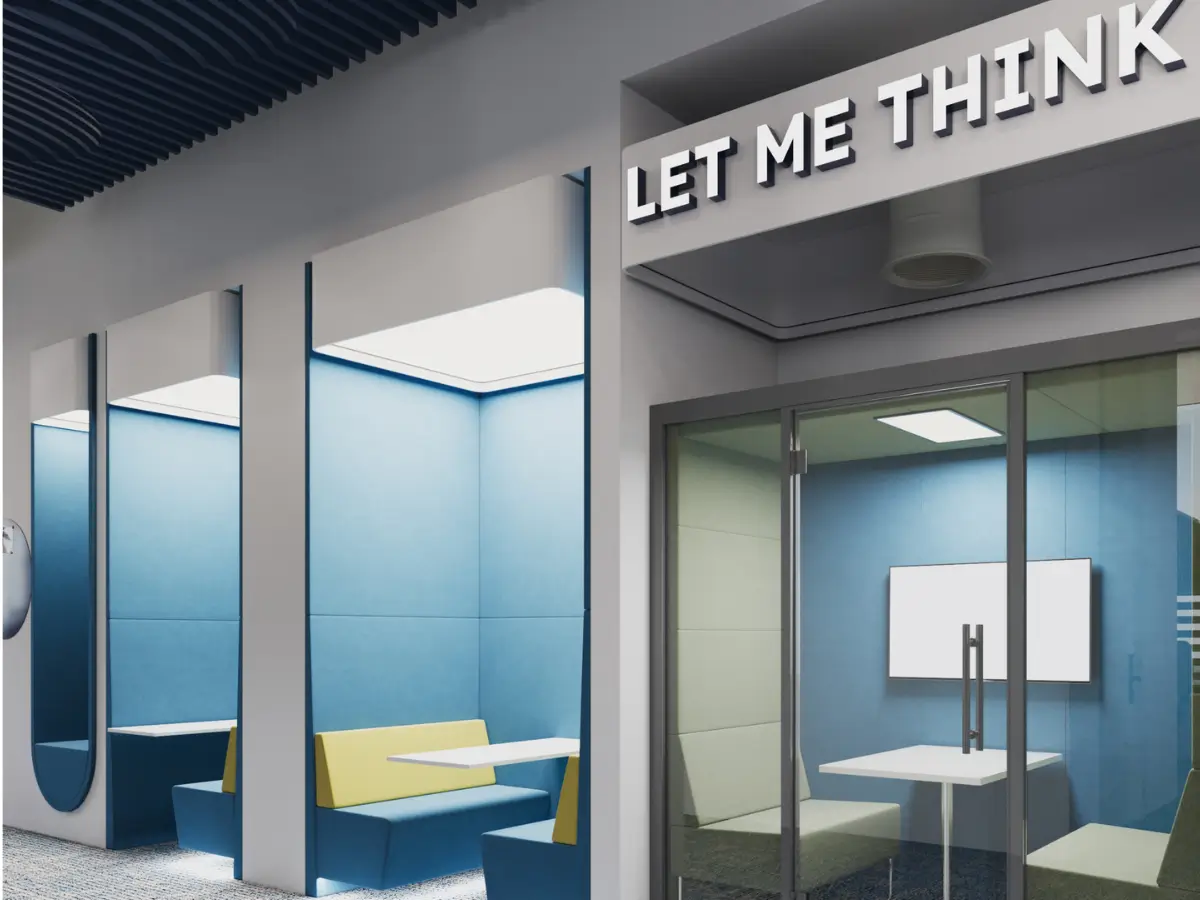
Modern workplaces are no longer designed as one open space that fits all activities. Instead, successful offices are built around office zones, clearly defined areas that support different tasks, behaviors, and user needs. An office zone helps organize the workplace logically, ensuring that employees can focus, collaborate, relax, or meet without friction.
Effective office area planning and office space zoning improve workflow, reduce distractions, and create a more human-centered work environment. Whether you’re designing a small office or a multi-floor corporate headquarters, understanding office zoning is essential for functional and productive workplace design.
What Are Office Zones?
Office zonesare designated areas within a workplace, each designed for a specific function or activity. Zoning is a strategic process that aligns spatial design with how people actually work.
Unlike arbitrary layouts, a zone office concept considers movement patterns, noise levels, privacy needs, and interaction frequency. This approach creates functional office areassuch as focus zones, collaboration zones, support zones, and wellness areas.
By clearly defining office zones, companies can:
- Support smoother workflows
- Encourage desired user behavior
- Reduce conflicts between quiet and active activities
- Maximize space efficiency
Office Event Areas and Multipurpose Zones
An office event area is a flexible zone designed to host internal gatherings, presentations, workshops, and social events. These spaces often function as anoffice event zone during company-wide meetings and transform into an office multipurpose areafor daily use.

Common examples include:
- Office town hall spaces for leadership updates
- Training sessions and internal launches
- Team celebrations and informal networking
Design considerations are critical. Event areas require:
- Flexible furniture and movable partitions
- Strong acoustic treatment to control sound
- Clear circulation paths to handle large groups
A well-designed event zone supports company culture while making efficient use of available space.
Read more: What Is Interior Design? Definition, Meaning, and Core Principles
Read more: The psychology of Retail interior Design
Rooftop Office Zones and Outdoor Workspaces
Rooftop office zones are becoming increasingly popular as companies seek to blend work with well-being. Office rooftop design can serve multiple purposes, from informal meetings to focused solo work.
A key distinction exists between:
- A rooftop lounge (social, casual use)
- A rooftop workspace (task-oriented, work-friendly setup)
Successful rooftop office design focuses on comfort, safety, and usability. Key elements include weather protection, ergonomic furniture, shading, power access, and secure railings. Thoughtful rooftop office ideas transform underused rooftops into valuable extensions of the workplace.
Huddle Rooms and Collaboration Areas
Huddle rooms are small, informal collaboration spaces designed for quick discussions and agile teamwork. Unlike traditional meeting rooms, huddle room design prioritizes speed, accessibility, and flexibility.
Key characteristics include:
- Compact huddle room layout for 2–6 people
- Simple, comfortable huddle room furniture
- Easy access to screens or whiteboards
These rooms are essential components of a collaboration office area, supporting brainstorming, daily stand-ups, and problem-solving without booking large meeting spaces.
Office Wellness Zones (Gym and Health Areas)
Wellness-focused office zones support employee health, reduce stress, and improve overall engagement. Office gym design can range from fully equipped fitness rooms to lighter activity or recovery spaces.

A gym office design differs from relaxation zones in its technical requirements. When planning an office gym layout, designers must consider:
- Proper ventilation and air quality
- Safety standards and clear circulation
- Acoustic isolation from work zones
Popular office gym room ideas include compact workout rooms, stretching areas, or hybrid office and workout room ideas that adapt to limited space while promoting movement and well-being.
Reception Areas as an Office Zone
The reception area is more than a waiting space, it is a functional and experiential office zone. A strong office reception design plan shapes first impressions and sets the tone for the entire workplace.
Key elements include:
- Clear circulation through an effective office reception layout plan
- A welcoming office reception floor plan that balances security and openness
- Thoughtful office reception lighting design to enhance comfort and visibility
Brand identity plays a major role here. A well-designed reception logo wall reinforces company values and professionalism from the moment visitors arrive.
Read more: Interior Design Cost in 2026 guide
Read more: Commercial design guide
Office Planning and Space Allocation
Effective zoning depends on how office zones are distributed within the overall floor plan. Strategic office area planning ensures that each zone supports its function without interfering with others.
For example:
- A 100 sqm office plan requires careful prioritization of essential zones
- An office interior design layout plan must balance private, collaborative, and support areas
- Understanding standards like conference room square footage per person helps avoid overcrowding
Good planning ensures efficient use of space while maintaining comfort and functionality across all office zones.
See how professional designers implement office zoning in real projects: Explore Ejada office design
How Office Zones Improve Productivity and User Experience?
Well-defined office zones have a direct impact on productivity and employee satisfaction. Focus zones reduce distractions, collaboration areas improve teamwork efficiency, and wellness zones support physical and mental health.
When employees can easily move between zones that support their tasks, they experience:
- Better concentration and task completion
- More effective collaboration
- Increased comfort and overall well-being
Office zoning aligns the physical environment with human needs, resulting in a more engaging and productive workplace.
Case Study: Ejada Cairo – Strategic Office Zoning in Action
To make the concepts of office zones and office area planning more tangible, let’s look at a real example: the ejada Cairo office design project.
In this project, a modern workspace was created across six floors, focusing on strategic zoning to support a fast‑paced IT work environment. The design integrated clear spatial planning that balanced focused work areas with collaborative zones, helping teams stay productive and connected throughout the day.
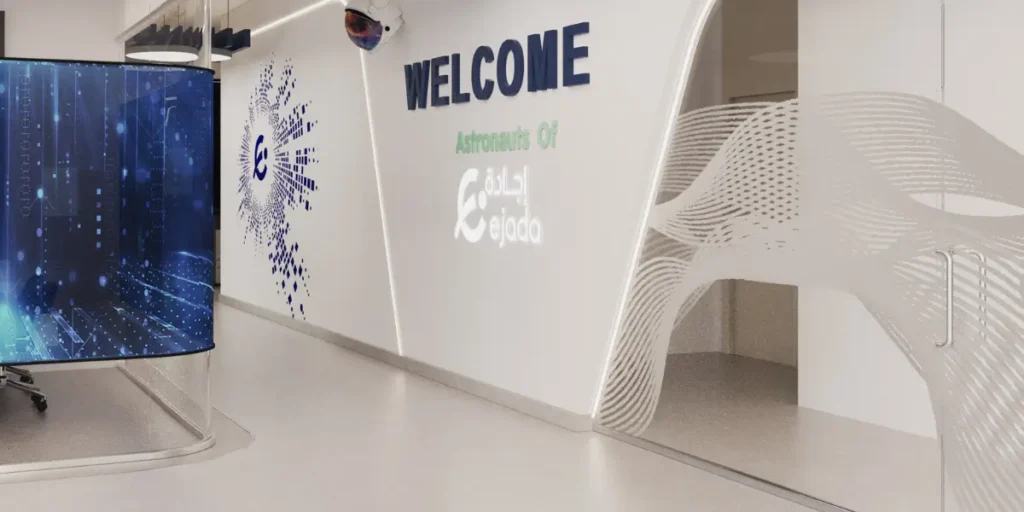
Key highlights of ejada Cairo office design include:
- Defined office zones for different work modes, from individual tasks to teamwork and meetings.
- Ergonomic workstations and acoustic solutions to improve comfort and reduce noise disruptions across zones.
- Optimized lighting and durable finishes, creating an environment that feels both functional and future‑ready.
- A layout that supports scalability and evolution as the team grows.
This case study demonstrates how intentional office space zoning and thoughtful planning can turn a large workspace into a coherent, functional, and people‑centric environment, exactly what modern workplaces aim to achieve.
Want to see how professional designers turn zoning principles into functional workplaces like Ejada Cairo? Explore Our full: office design services
Office Zones FAQs: Planning, Layout, and Space Standards
These FAQs address common questions about office zones, zoning logic, and space planning standards:
What is an office zone?
An office zone is a designated area within a workplace designed for a specific function such as focused work, collaboration, meetings, or wellness.
Why is office space zoning important?
Office space zoning reduces distractions, improves workflow, and aligns the workplace layout with how people actually work.
What is the difference between a huddle room and an informal meeting space?
A huddle room is an enclosed space for small structured meetings, while an informal meeting space is open, relaxed, and used for spontaneous discussions.
How much space is needed per person in a conference room?
Conference room space per person typically ranges between 1.5 and 2.5 square meters, depending on layout and furniture.
Can a home office include a gym zone?
Yes, a home office can include a gym zone if work and workout areas are clearly separated through layout, storage, and noise control.
Conclusion
Office zones are the foundation of effective workplace design. By organizing spaces around function, behavior, and user experience, office zoning transforms workplaces into environments that support productivity, collaboration, and well-being.
Whether you’re planning event areas, rooftop workspaces, collaboration zones, or wellness facilities, thoughtful zoning ensures that every square meter serves a purpose.
Looking to plan your office zones with a functional, well-designed layout?
Explore our professional office design services tailored to your space, workflow, and business needs.
