
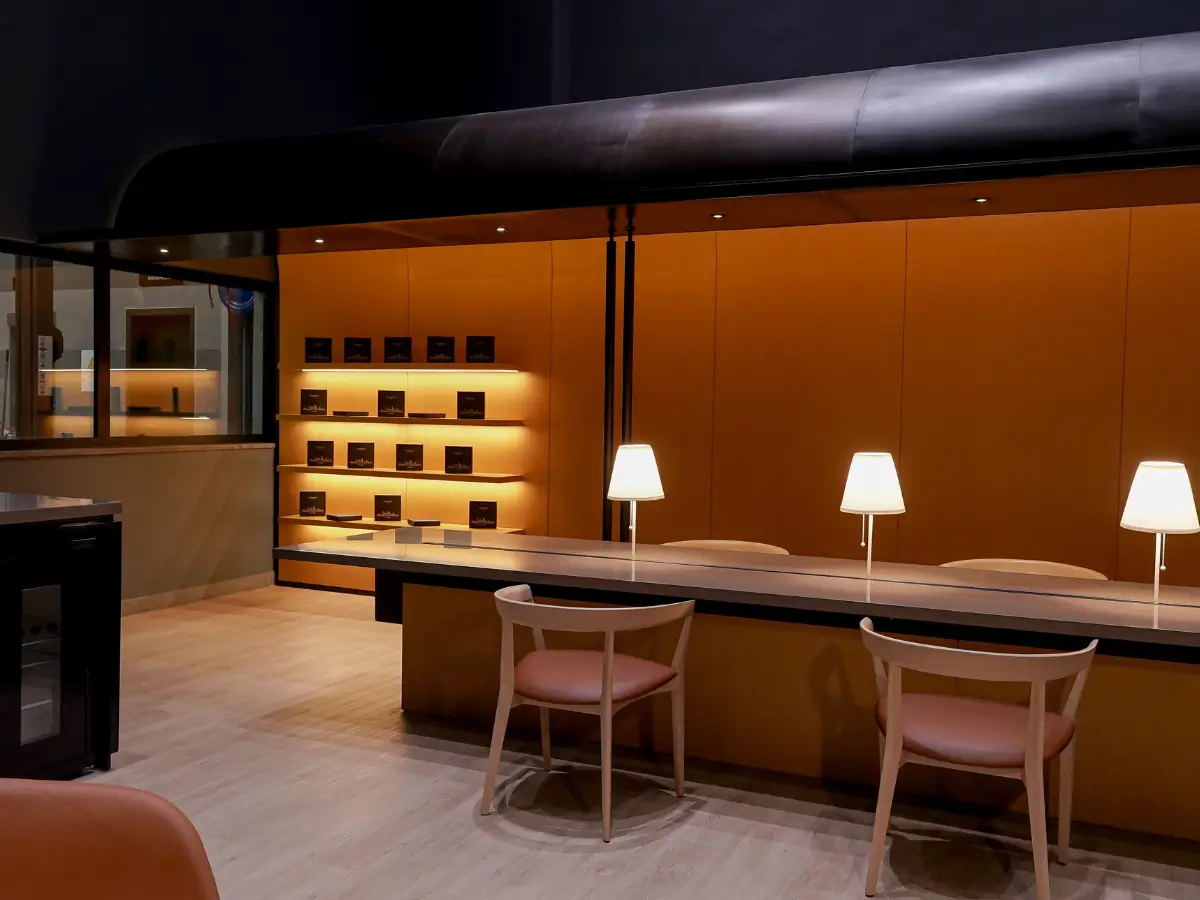
Interior design is a multidisciplinary field that focuses on shaping interior environments to improve how people live, work, and interact within spaces. It combines creativity, technical knowledge, and an understanding of human behavior to create functional, safe, and aesthetically balanced interiors.
This article provides a clear, educational overview of interior design, its meaning, scope, principles, and how it differs from interior decoration. It is designed to answer definition-based and learning-focused questions for readers seeking foundational knowledge.
Interior Design Definition (What Is Interior Design)
Interior design is a multidisciplinary field that focuses on shaping interior environments to improve how people live, work, and interact within spaces. It combines creativity, technical knowledge, and an understanding of human behavior to create functional, safe, and aesthetically balanced interiors.
In this context, the interior design definition refers to the professional practice of planning and coordinating interior spaces to meet functional, environmental, and aesthetic requirements. The meaning of interior design goes beyond visual appeal to include spatial performance, usability, and long-term adaptability.
Interior Design Meaning & Concept
Interior design refers to the process of planning, designing, and coordinating interior spaces within buildings to support functionality, safety, comfort, and visual harmony. It goes beyond surface-level styling to address how a space is organized, how it is used, and how it performs over time.
At its core, the concept of interior design revolves around three interconnected dimensions:
- Function: How a space is used, circulated, and organized
- Aesthetics: Visual balance, proportion, color, texture, and form
- Human Experience: Comfort, usability, mood, and well-being
Interior design integrates architectural context, furniture, materials, lighting, and environmental systems into a cohesive whole. The goal is not decoration alone, but creating spaces that respond to real human needs.

What Does an Interior Designer Do?
An interior designer is responsible for translating spatial requirements and conceptual ideas into practical interior solutions. Their role involves both creative and technical responsibilities across different project stages.
Types of Interior Design
There are several recognized types of interior design, categorized by the function of the space. While all types apply the same core design principles, each differs in technical requirements, regulations, and user expectations.
- Residential Interior Design: Focuses on private living spaces such as apartments, villas, and houses, with emphasis on comfort, lifestyle, and personal needs.
- Commercial Interior Design: Includes offices, corporate spaces, and workplaces, prioritizing efficiency, functionality, and brand identity.
- Hospitality Interior Design: Covers hotels, restaurants, cafés, and resorts, where user experience and atmosphere are central considerations.
- Healthcare Interior Design: Applies to clinics, hospitals, and medical facilities, emphasizing safety, hygiene, accessibility, and well-being.
- Public and Institutional Design: Encompasses educational buildings, government facilities, and cultural institutions, focusing on durability, compliance, and public use.
- Retail Interior Design: Deals with shops, showrooms, and commercial outlets, where spatial layout, customer flow, product display, and brand experience directly influence user behavior and sales performance.
- Landscape Design: Concerned with the planning and design of outdoor environments such as gardens, courtyards, and open spaces, focusing on spatial flow, environmental context, and user interaction with the landscape.
- Furniture Design: Focuses on designing individual furniture pieces that balance form, function, ergonomics, and material performance, often supporting broader interior design concepts.
Core Responsibilities of an Interior Designer
- Space planning: Organizing layouts based on function, circulation, and user behavior
- Concept development: Defining design direction, themes, and visual language
- Material and finish selection: Choosing appropriate surfaces, textures, and finishes
- Lighting design coordination: Planning ambient, task, and accent lighting
- Furniture selection and layout: Ensuring scale, ergonomics, and usability
- Technical documentation: Producing drawings, specifications, and schedules
- Code and safety considerations: Addressing building regulations and accessibility
- Collaboration: Working with architects, engineers, and contractors
The interior designer’s job role requires balancing creativity with problem-solving, ensuring that design decisions are both visually compelling and technically sound.
Key Elements and Principles of Interior Design
Interior design is guided by foundational elements and principles that help create cohesive and functional spaces.
Elements of Interior Design
These are the basic components used to shape interiors:
- Space: The physical boundaries and volumes within a room
- Line: Horizontal, vertical, and dynamic lines that guide movement and perception
- Form: The shape and mass of objects and architectural features
- Color: Hue, value, and saturation used to influence mood and perception
- Texture: Surface quality, both visual and tactile
- Light: Natural and artificial illumination that defines atmosphere
- Pattern: Repetition of visual motifs for rhythm and interest
Read more: Let’s Talk About Home Interior Styles: The Beauty of Design Diversity
Principles of Interior Design
These principles govern how elements are arranged:
- Balance: Distribution of visual weight (symmetrical, asymmetrical, radial)
- Proportion and scale: Relationship between objects and the space they occupy
- Rhythm: Visual flow created through repetition or progression
- Emphasis: Creating focal points within a space
- Harmony and unity: Ensuring all elements work together cohesively
- Contrast: Introducing variation to add depth and interest
Understanding these fundamentals is essential for effective interior design decision-making.
Read more: Top 8 Common Mistakes in Egyptian Modern Home Design
Elements of Interior Design
The elements of interior design are the fundamental components used to shape interior spaces. These include space, line, form, color, texture, light, and pattern. Together, they form the building blocks of interior composition.
Interior Design vs Interior Decoration
Although often used interchangeably, interior design and interior decoration are distinct disciplines.
Interior Design
- Focuses on space planning, layout, and functionality
- Involves technical drawings and coordination with building systems
- Requires knowledge of materials, lighting, and regulations
- Addresses long-term spatial performance
Interior Decoration
- Focuses on surface aesthetics and styling
- Involves selecting furniture, colors, fabrics, and accessories
- Does not typically alter layouts or structural elements
- Concentrates on visual enhancement
In summary, interior design shapes how a space works, while interior decoration focuses on how it looks.
Residential vs Commercial Interior Design
Interior design can be broadly categorized based on the type of space being designed.
Residential Interior Design
Residential design focuses on private living spaces such as apartments, villas, and houses. Key considerations include:
- Comfort and lifestyle needs
- Personal preferences and routines
- Family dynamics and long-term adaptability
- Storage, privacy, and daily usability
Read more: Residential Interior Design Cost in Egypt 2026
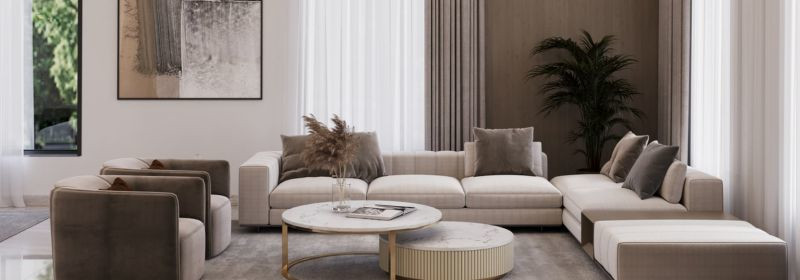
Check more: residential interior design projects designed by SKETCHURE
Commercial Interior Design
Commercial design applies to offices, retail spaces, hospitality environments, healthcare facilities, and public buildings. It emphasizes:
- Functionality and efficiency
- Brand identity and user experience
- Compliance with regulations and safety standards
- Durability and maintenance
While both require the same core principles, commercial projects often involve more complex technical and operational requirements.
Read more: Commercial Interior Design Guide: More Than Just a Beautiful Space
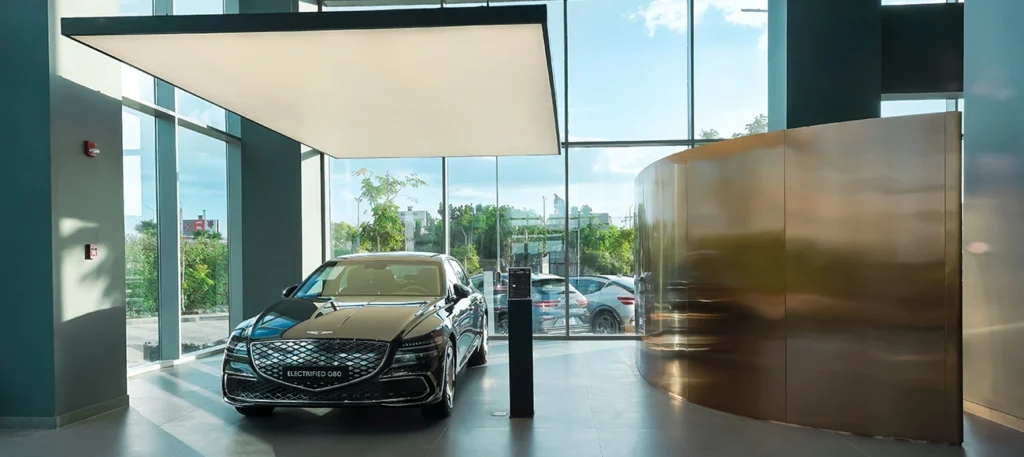
Discover more about: Commercial interior design projects designed by SKETCHURE
Materials and Finishes in Interior Design
Materials and finishes play a critical role in how interiors perform and age over time.
- Materials refer to the core substances used, such as wood, stone, metal, glass, or concrete
- Finishes refer to surface treatments applied to materials, such as paint, polish, laminate, or coating
Selection is influenced by durability, maintenance, aesthetics, sustainability, and context. Understanding the difference between material and finish is essential for informed design decisions.
Lighting Design in Interior Spaces
Lighting design is a fundamental component of interior design, shaping mood, functionality, and spatial perception.
Types of lighting include:
- Ambient lighting: General illumination for overall visibility
- Task lighting: Focused lighting for specific activities
- Accent lighting: Highlighting architectural features or objects
Effective lighting design considers intensity, color temperature, placement, and integration with natural light.
Applying Interior Design Principles in Real Projects
For deeper insight into applied interior design strategies, explore related resources on residential and commercial interior design through SKETCHURE.
You can also check SKETCHURE previous projects, which include a range of residential, commercial, retail, landscape, and furniture design projects, where these principles are examined through real case studies demonstrating their practical application across different project types.
Conclusion
Interior design is a structured, purpose-driven discipline that combines creativity, technical expertise, and human-centered thinking. its meaning, principles, and scope.
Exploring how these principles are applied in real-world contexts, you may refer to professional interior design services or review selected interior design projects that demonstrate these concepts in practice.
