
Every room is a little stage: it sets the mood, tells a story, and reflects how we move through life. Interior style isn’t just about trends; it’s a language we use to communicate comfort, values, and personality. Below, I unpack four timeless home interior design styles—Scandinavian, Japandi, Eclectic, and Coastal—so you can choose the rhythm that feels most like home.
Less Is More: The Art of Scandinavian

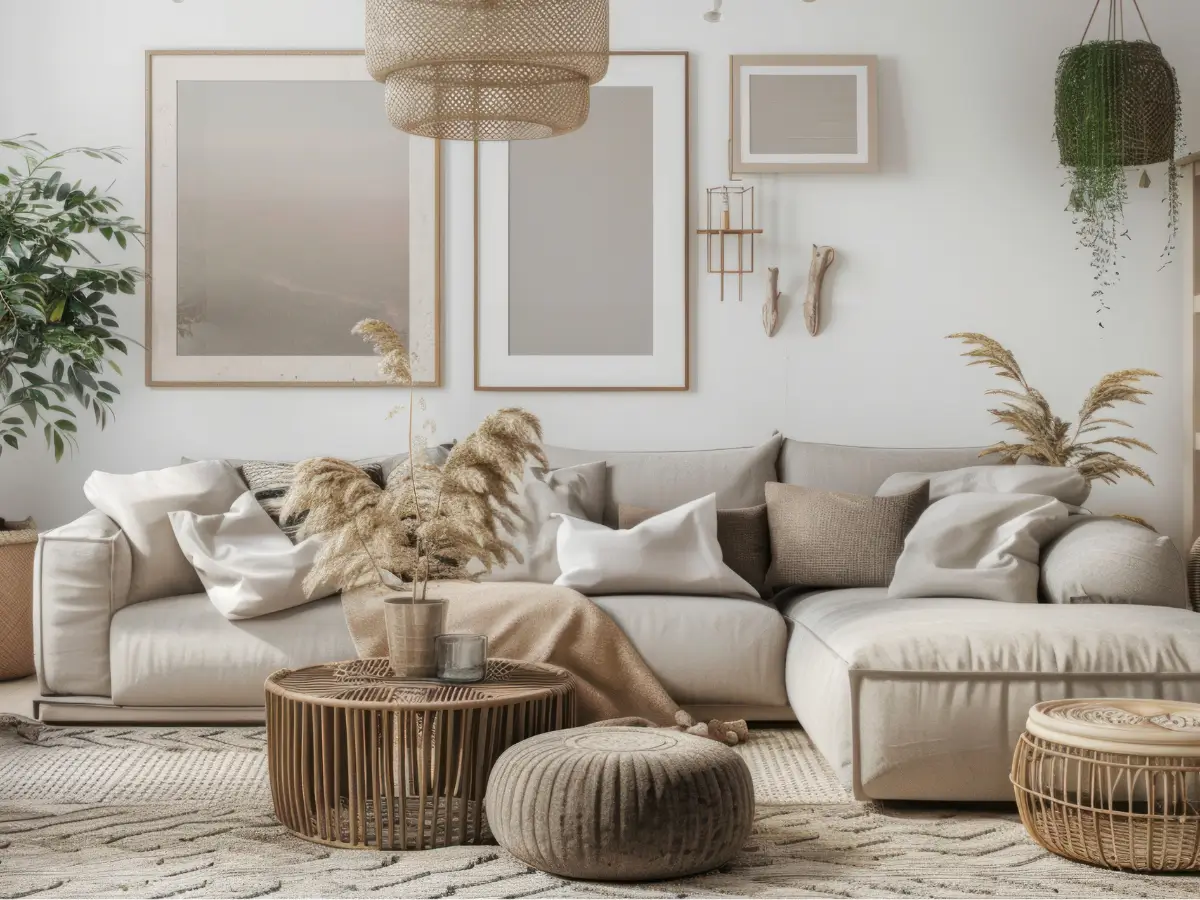
Scandinavian interiors are built on clarity: light, function, and calm—one of the most enduring home interior design styles. Think airy rooms, simple silhouettes, and a preference for quality over clutter.
What defines it
- Neutral palettes (off-white, soft gray, muted beige) with occasional warm accents.
- Natural light maximized with sheer curtains and reflective surfaces.
- Functional furniture with clean lines, no ornament for ornament’s sake.
- Textures (wool throws, sheepskin rugs, raw wood) add warmth without visual chaos.
How to get the look
- Edit ruthlessly: keep only what you use or truly love.
- Invest in one well-made sofa or dining table rather than many cheap pieces.
- Layer lighting: ambient overhead light, a focused task lamp, and a warm floor lamp.
Who it suits
People who crave calm, order, and cozy functionality, it’s great if you love airy spaces and minimal fuss.
Japandi: A Harmonious Fusion
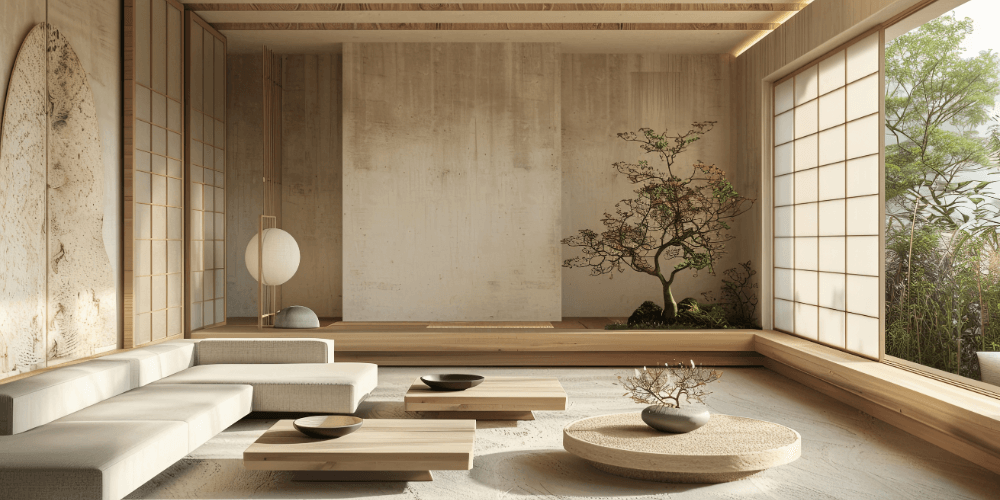
Japandi blends Japanese restraint and craft with Scandinavian brightness and comfort, making it one of the most balanced home interior design styles. It’s minimalism with soul.
What defines it
- A harmony of warm woods, muted tones, and deliberate negative space.
- Handcrafted objects and attention to joinery and material honesty.
- Minimal decor but thoughtful, tactile pieces — a single ceramic vase with seasonal branches, for instance.
How to get the look
- Use oak, teak, or walnut for furniture, paired with soft linens and tatami-like textures.
- Embrace asymmetry and small vignettes that reflect nature.
- Prioritize multipurpose pieces and calm, uncluttered surfaces.
Who it suits
Lovers of zen-like simplicity who also appreciate tactile craftsmanship and subtle contrasts.
Ready to elevate your home even further? Visit our Doors Blog for style guides and inspirations.
Breaking the Rules: Eclectic Interior
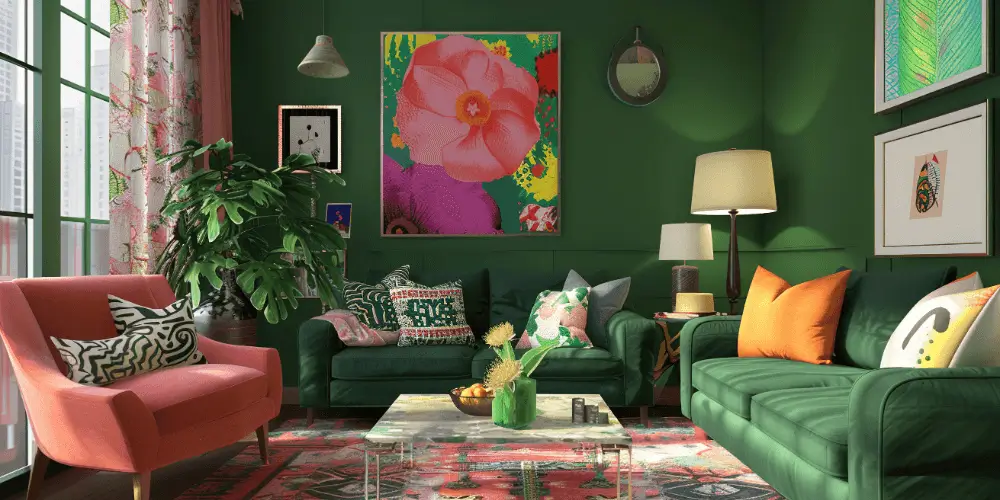
If Scandinavian and Japandi are songs in a minor key, Eclectic is jazz: unpredictable, layered, and endlessly personal—one of the most expressive home interior design styles.
What defines it?
- A curated mashup of colors, eras, patterns, and objects that somehow work together.
- Mixing antiques with modern pieces, bold textiles, and unexpected art.
- Strong emphasis on personality: souvenirs, framed ephemera, and heirlooms are welcome.
Read more: Interior design concepts guide
How to get the look?
- Start with a unifying element (a color, material, or motif) to tie things together.
- Layer patterns in different scales, large rug, small-print cushions to avoid visual overload.
- Balance bold pieces with calmer backdrops so one focal point doesn’t fight another.
Who it suits?
Creative spirits and collectors who want their home to read like a lived-in gallery, spontaneous, expressive, and entirely unique.
Bringing the Ocean Indoors: Coastal Interior
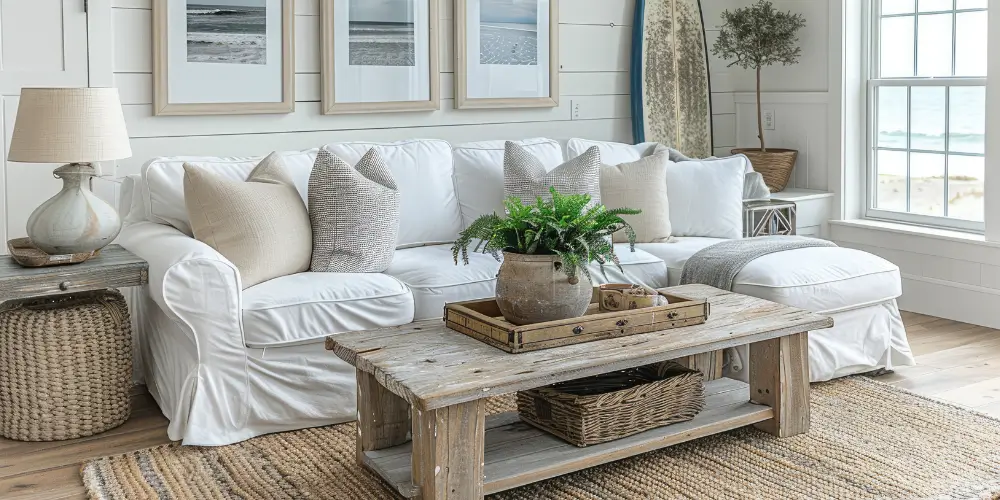
Coastal style is more than nautical knick-knacks; it’s an attitude that celebrates light, air, and the relaxed cadence of seaside living.
What defines it
- Light, breezy palette: whites, sea-glass greens, sandy neutrals, and ocean blues.
- Natural fibers (jute, rattan), linen upholstery, and breathable textures.
- Casual, comfortable furniture and open, airy layouts.
How to get the look
- Layer soft, driftwood-finish woods with whitewashed surfaces.
- Use linen curtains, roomy slipcovers, and throw pillows for a lived-in yet tidy feel.
- Add accents from nature: shells, driftwood, or a bowl of beach stones but keep it simple.
Who it suits
Anyone who wants a relaxed, restorative home, great for those who value light, breezy spaces and easy maintenance.
Finding What Feels Like Home
Style isn’t a rulebook; it’s a toolkit. Try these practical steps to zero in on what works for you:
- Collect inspiration (photos, magazine clippings, Pinterest boards) and look for recurring themes.
- Identify one emotional goal for the space: calm, energy, playfulness, or refuge.
- Start small: swap textiles or paint a wall before committing to big purchases.
Mix thoughtfully: combine a couple of elements from different styles (e.g., a Japandi table with an eclectic lamp) and see how they converse.
Ready to elevate your space with a design that feels intentional and tailored? Explore Sketchure’s Interior Design Services
