
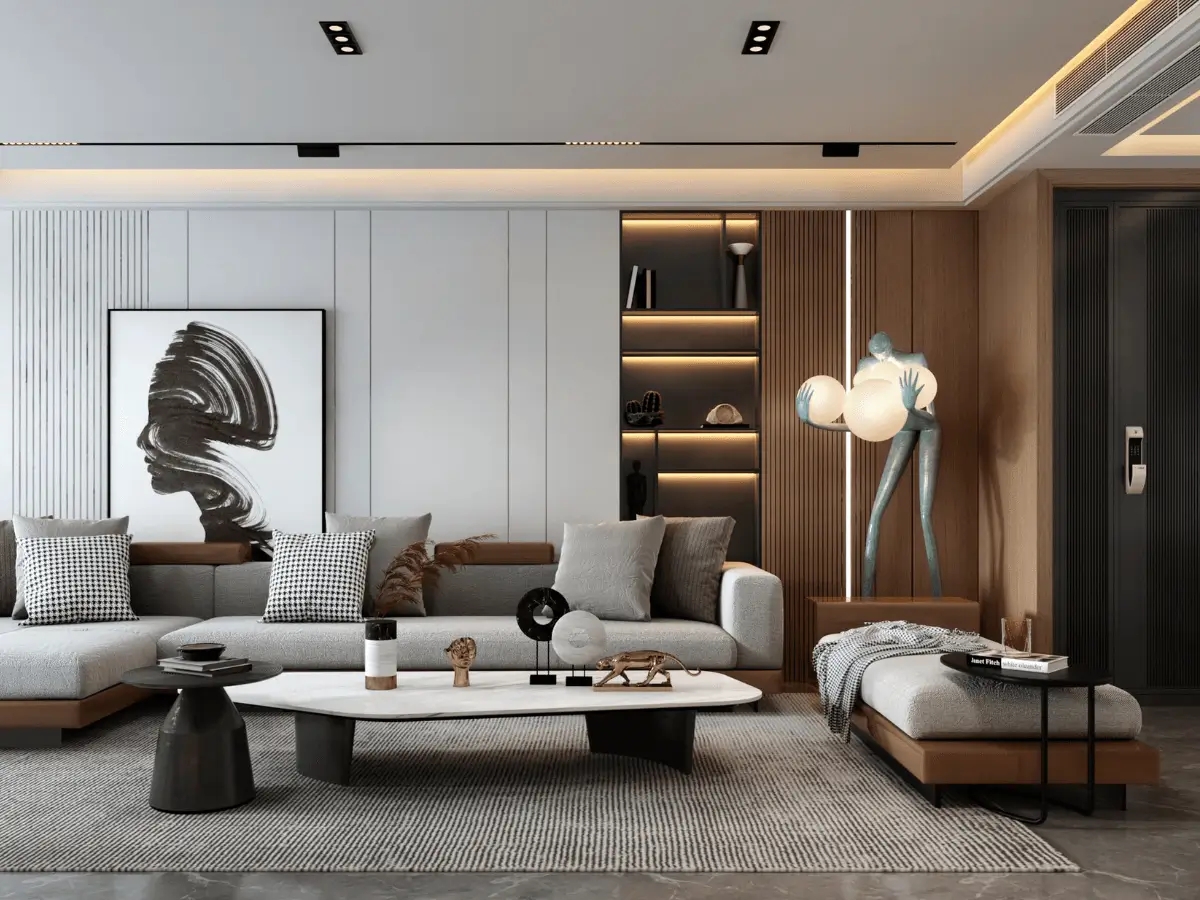
Interior design has been greatly evolving and continues to evolve through the influence of global aesthetics and local needs. Yet, many homeowners fall into recurring design mistakes that limit comfort, efficiency, and long-term satisfaction. Identifying and understanding the common pitfalls helps create homes that feel balanced, functional, and truly reflective of modern Egyptian living. In this article, we discuss the most common design mistakes in Egypt and how to avoid them.
1. Copying Trends Blindly
Throughout recent years, trends have been the center of attention in almost every industry. In interior design, designers are faced with a new trend every year, if not every season, where there is pressure to cater to those trends and incorporate them into their designs. However, following trends without considering home layout, space purpose, and user needs will create a soulless and senseless space that will always lack. A space that is designed with intent and creativity will cater to the unique user, their character, and their needs, making it valuable.
See more: The Power of Desks: Where Design Meets Purpose
See more: interior design cost guide
2. Overcrowding Spaces
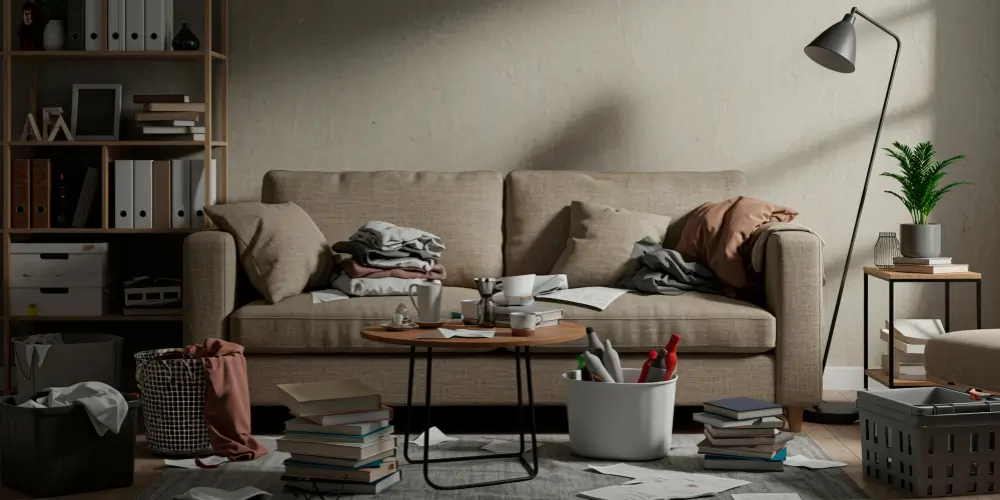
A very common mistake is overcrowding. Designers and home owners often fall into this mistake when furnishing a space, where their vision is not organised and their ideas overflow without direction. Too much furniture reduces flow, causes overstimulation and challenges visual aesthetic.
To avoid overcrowding, it is important to thoughtfully plan your layout before furnishing through:
- Thoughtfully curated mood boards
- Virtual space visualization tools
- Selecting multifunctional pieces that reduce unnecessary items
- Leaving intentional negative space to balance the room
- Scaled floor plans that map furniture sizes accurately.
3. Skipping Storage Solutions
Skipping storage planning is one of the most common issues in modern Egyptian homes. Prioritizing furniture and finishes without integrating built-in or concealed storage results in visible clutter, crowded surfaces, and reduced functionality, especially in smaller apartments. Effective design treats storage as part of the layout—not an afterthought—to maintain clean lines and support everyday living.
4. Ignoring Lighting
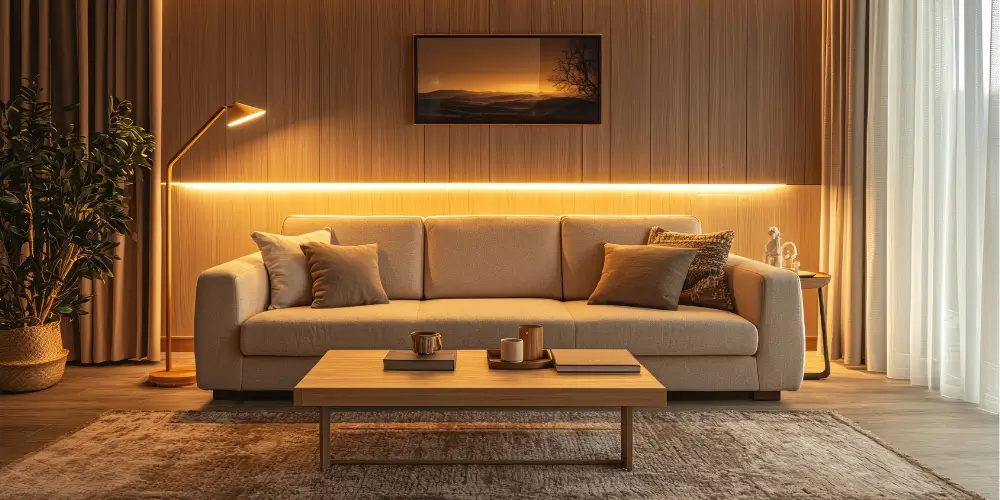
Sometimes lighting makes or breaks a room; it can be a great factor in creating the whole mood and aura of a space. However, it is widely dismissed and forgotten, which creates a gap in the character of the room. Lighting can affect the mood of the room, which can consequently affect functionality and how we interact with the space.
Here’s how you can thoughtfully select your room lighting:
- Make sure your windows are accessible and uncovered
- Layer ambient, task, and accent lighting for balanced illumination
- Match colour temperature to the room’s purpose (warm for relaxation, neutral for work)
- Use dimmers to adjust brightness throughout the day
- Choose fixtures that complement the room’s scale and proportions.
See more: Let’s Talk About Home Interior Styles: The Beauty of Design Diversity
5. Wrong Colors and Poor Material Choices
Wrong colours and poor material choices can significantly undermine the overall look and feel of your space. For example, selecting hues that are too bold, too dark, or inconsistent with the room’s natural lighting often creates visual imbalance and makes spaces appear smaller or overly busy. Likewise, choosing materials based solely on trends, rather than durability, maintenance needs, or climate suitability, leads to finishes that age quickly or feel out of place.
To make sure you make the right colour and material selection, it is important to consider the following:
- Test paint samples on the actual wall to see real-life variations
- Consider the room’s size and function when selecting tones and finishes
- Balance bold accents with neutral foundations to avoid visual overload
- Choose materials based on durability, maintenance needs, and long-term use
- Prioritize high-quality materials in high-traffic areas for longevity.
Read more: What Is Interior Design? Definition, Meaning, and Core Principles
6. Choosing Oversized Furniture
Selecting furniture that is too large for the room is a frequent issue in modern Egyptian homes, especially in compact apartments. Oversized sofas, bulky wall units, and heavy dining sets restrict movement, block natural light, and make spaces feel smaller than they are. The solution is proportional planning—measuring circulation paths, choosing lighter profiles, and prioritizing scale over visual impact.
Ready to avoid these design mistakes and plan your space with intent? Explore Sketchure’s services to move from insight to execution.
7. Neglecting Acoustic Comfort
Hard surfaces, open layouts, and minimal decor often create unwanted echo and noise transfer. This is commonly overlooked during design, leading to uncomfortable living environments in busy urban settings. Incorporating soft elements—area rugs, curtains, upholstered pieces, and acoustic wall treatments—helps absorb sound and improves comfort without compromising a modern aesthetic.
8. Neglecting cross-ventilation
Many modern layouts seal windows with heavy treatments and rely only on AC, which traps heat, raises humidity, and worsens indoor air quality during sand-dust days. Plan opposing openings where possible, use inward-opening tilt windows or high transoms, add insect screens, and pair with ceiling fans to move air without pulling in dust, keeping energy use down.
Conclusion
Modern Egyptian home design succeeds when each element is chosen with purpose and clarity. From overcrowding and blindly following trends, to selecting the wrong color pallets, materials and lighting solutions, these common mistakes are often caused by rushed decisions and poor planning, affecting how we interact with the space in our daily lives. By approaching each space with long-term practicality and measured creativity, homeowners and designers can avoid these pitfalls and create interiors that remain adaptable, comfortable, and timeless.
View our portfolio to get inspired and see how we create balanced modern homes at SKETCHURE.
